

About Gioco del Genere
Gioco del Genere - A Quiz Game on Gender Stereotypes
Gioco del Genere is an engaging and thought-provoking quiz game designed to explore the complexities of gender stereotypes. This interactive experience challenges players to reconsider their assumptions about gender roles and societal norms.
Do you believe that crying is solely a female trait, or that men are naturally stronger? Or do you think certain activities or professions are inherently tied to one gender? These are just a few of the questions that will make you question your own beliefs. Through a series of intriguing and sometimes surprising questions, the game delves into the differences and similarities between men and women across various societies and professional fields.
For instance, did you know that a woman has never won a Nobel Prize for Physics? Or that men and women performing the same job don't always receive equal pay? These facts, along with many others, highlight the ongoing gaps and disparities in different parts of the world. By answering these questions, you can gain valuable insights into how deeply ingrained stereotypes can be.
The game provides a lighthearted yet impactful method to challenge and expand your understanding of gender issues. It's not only entertaining but also educational, as it encourages self-reflection and discussion among friends and family. You'll find yourself questioning why you hold certain beliefs and whether they are truly justified.
What makes Gioco del Genere unique is its origin story. The game was created by children for children, emphasizing the importance of learning about this crucial topic through play. Produced by the Interactive Project, the game was developed in collaboration with the Waldensian Church and the 8X1000 fund. The content and structure were meticulously crafted by students from Boys Lyceum State Tacitus, Newton High School, and Secondary School The Degree Positioning Accuracy Buazzelli, all based in Rome.
Join us on this journey to discover the nuances of gender stereotypes and contribute to creating a more inclusive and equitable world.
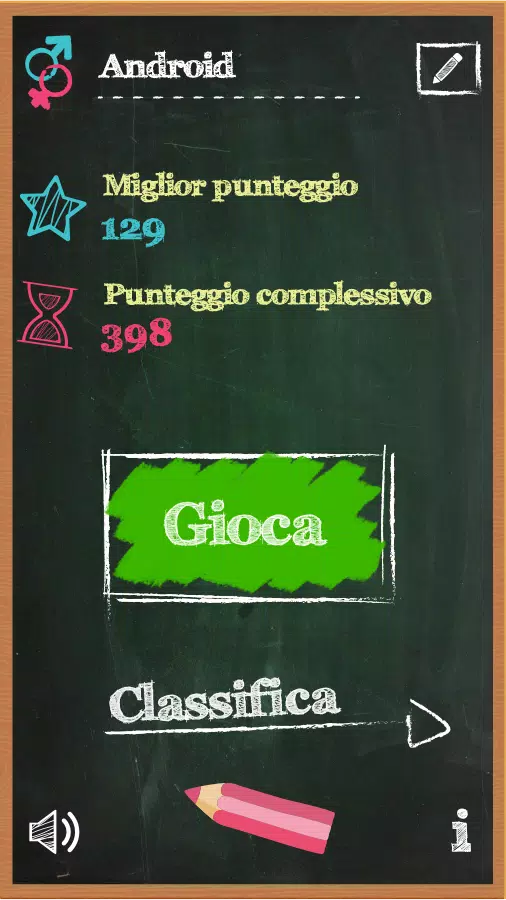
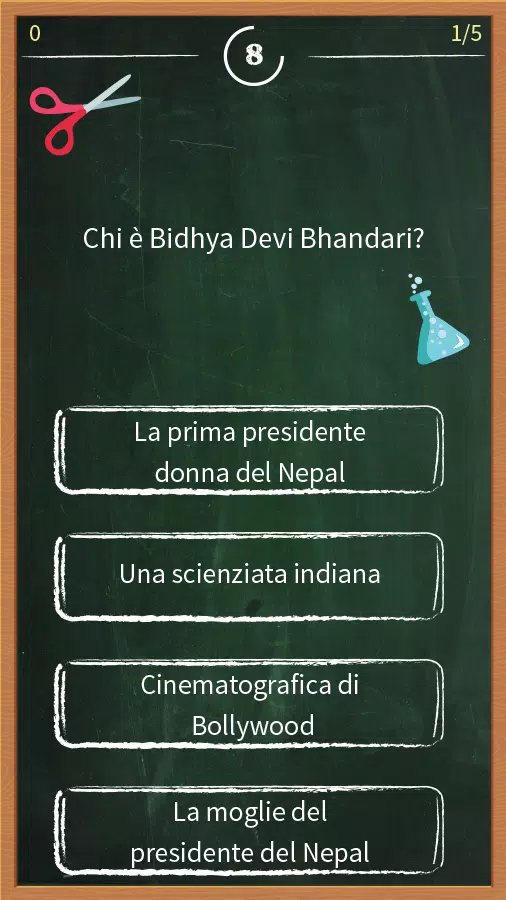
Gioco del Genere Screenshots


Old Versions of Gioco del Genere

Editor's Recommendation


Apps Like Gioco del Genere


Apps by Motorsport Gaming IP
User Reviews
+ Reviews
Most Popular


