
Car Parking Multiplayer 2 Review (2026): The Parking Game That Became a Car-Culture Hangout

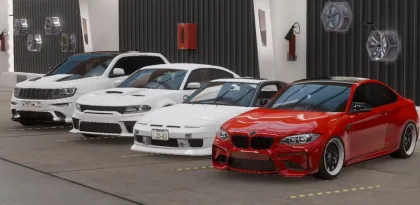
A player-focused Android review of open-world multiplayer, 160-car collecting, tuning, parking challenges, trading, Rally Mode, social play, bugs, and the strange freedom of a game that rarely makes you park.
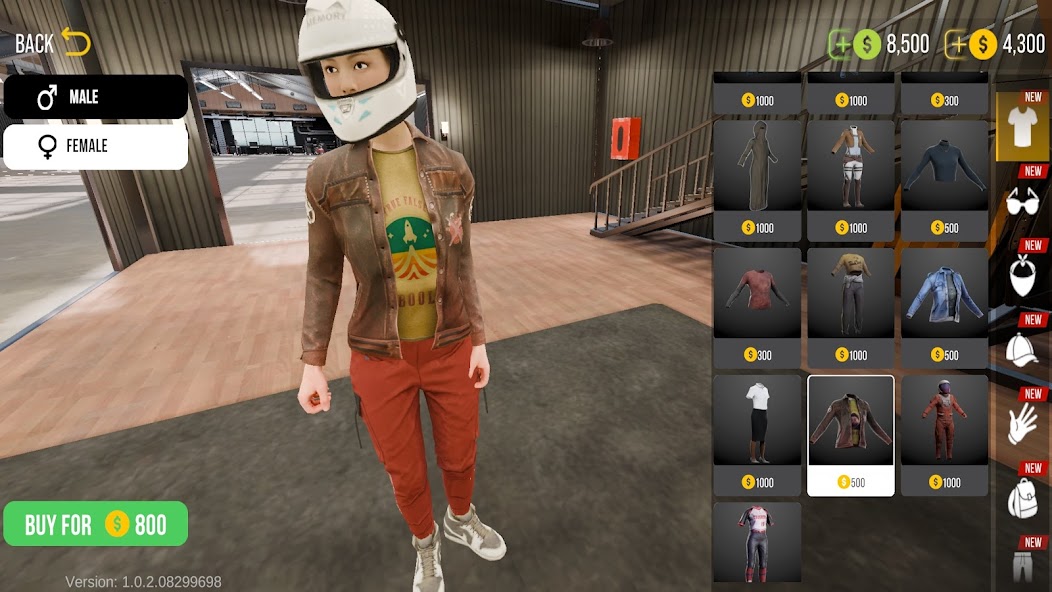
Official Google Play store image. Car Parking Multiplayer 2 is as interested in the garage meet as it is in the parking space.
Car Parking Multiplayer 2 has 82 parking and driving challenges. That sounds like the main game until you join an online room and find players trading cars, comparing paint, holding drag races, using voice chat, walking through buildings, or pretending the street has a working police department.
The title survived from an earlier kind of mobile game. The sequel is closer to a car-culture sandbox with driving tests attached.
That wider scope explains both its appeal and its mess. There is always another system to try. There is also usually another menu, currency, download, or multiplayer bug between you and it.
A good CPM2 room feels less like a race lobby and more like a parking-lot meet that happens to contain a dyno, a taxi job, and somebody testing the police siren.
Quick App Snapshot
| Detail | Current picture |
|---|---|
| Developer | olzhass / OGAMES, TOO |
| Android package | com.olzhas.carparking.multyplayer2 |
| Genre | Open-world driving, parking simulation, multiplayer car sandbox |
| Vehicle count | 160 cars with modeled interiors on the current Google Play description |
| Structured challenges | 82 parking and driving challenges |
| Social features | Free walking, voice chat, friend list, car trading, multiplayer races |
| Current update context | New Italian environment, Rally Mode, improved car physics, optimization, and bug fixes |
| Google Play reach | 10M+ downloads and a 4.2 rating as of June 2026 |
The Car Parking Multiplayer 2 page on APKHub provides the Android package listing. The official Google Play page is the better reference for the current feature list and update status.
The First Surprise: You Can Leave the Car
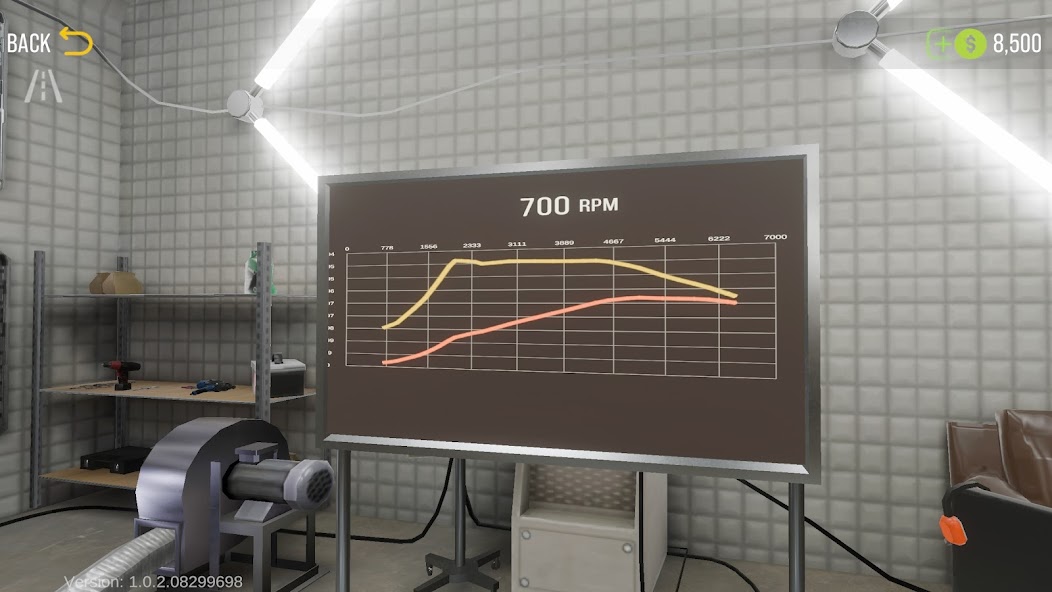
Free walking and enterable interiors give multiplayer rooms somewhere to exist beyond a road or garage menu.
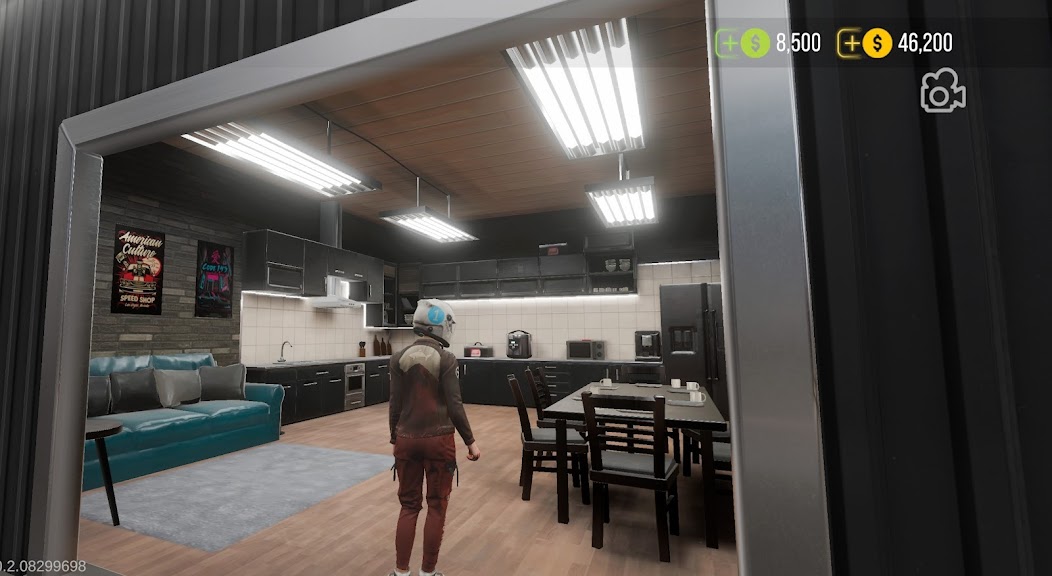
Free walking changes the tone immediately. The player is not a camera welded to a dashboard. You can get out, move through the environment, enter certain buildings, customize a character, and meet other players away from the starting grid.
This sounds cosmetic, but it gives the online mode a social grammar. A car meet can happen because players can stand beside the cars. A trade feels like an exchange between two people rather than two menu entries. Police, taxi, and roleplay sessions have places to begin and end.
The world is not a detailed life simulation. Many interiors are simple, pedestrian behavior is limited, and roleplay depends on the players doing most of the imaginative work. That is enough. The game provides a stage, vehicles, voice chat, and a loose set of jobs; the room decides whether the next hour is a cruise or an argument at a virtual gas station.
Driving: More Systems Than the Name Suggests
The current feature list includes mechanical transmission with a clutch, a fuel system, adjustable suspension, car tuning, detailed interiors, and a dyno run. Players can choose how seriously to use them. Automatic controls make casual cruising easy, while manual settings give a tuned build more to manage.
The June 2026 update advertises improved car physics and adds Rally Mode. Better physics do not turn the game into a strict simulator, but weight transfer, traction, suspension, and power delivery now matter enough to separate a drift build from a drag car or daily cruiser.
Three Kinds of Driving Live in the Same App
| Driving style | What matters | Where it works best |
|---|---|---|
| Parking and license-style challenges | Precision, camera position, low-speed control | The 82 structured challenges |
| Open-world cruising | Traffic awareness, route choice, comfort | Public rooms and free roam |
| Racing / rally / drag | Tune, launch, grip, manual shifts | Dedicated modes and player events |
The touch layout is busy when manual transmission, clutch, indicators, camera, and multiplayer controls are all visible. Spend time arranging it. A realistic gearbox is less impressive when the shift button sits under the map.
Tuning Gives the Collection a Purpose
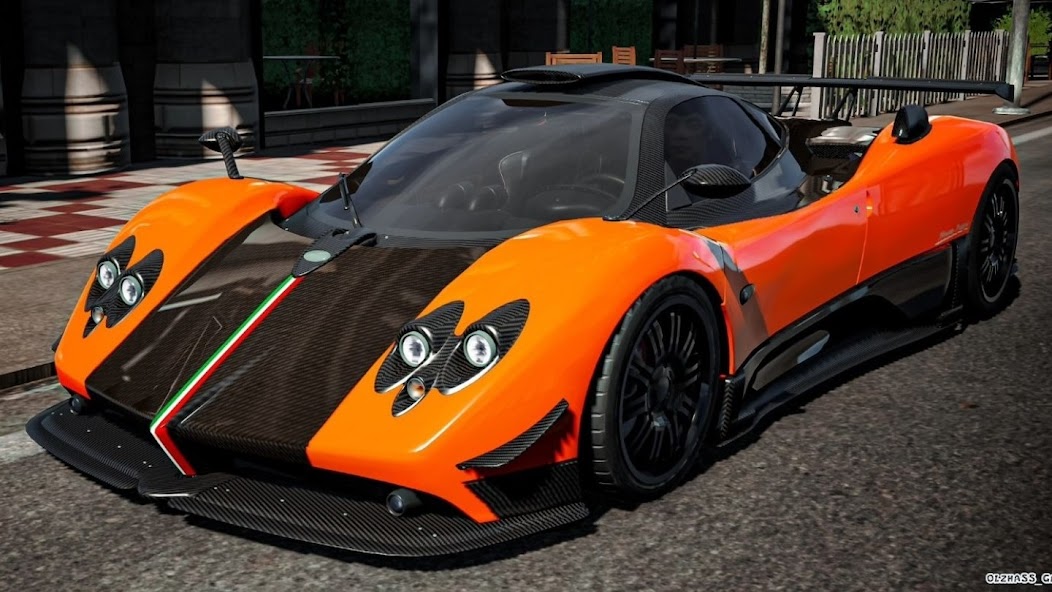
The dyno turns engine changes into visible power and torque curves instead of a single mystery rating.
Collecting 160 cars would be shallow if every garage slot behaved the same. Tuning is the reason players keep particular vehicles. Engine work, suspension adjustment, tires, transmission choices, exterior parts, paint, and liveries let a common car become a recognizable personal build.
The dyno is especially useful. It gives players a way to see how a setup delivers power across the rev range. A peak number is not the whole story; a car that makes power in the wrong place can still feel slow during an actual launch.
Visual tuning is part performance project, part identity badge for multiplayer rooms.
The cars resemble real-world models, but the game does not present a conventional licensed showroom. Treat the catalog as enthusiast-inspired rather than an official manufacturer collection.
Multiplayer Trading Is Fun Because It Is Risky
Public multiplayer supports racing, voice chat, friend lists, car exchange, police play, taxi work, drone use, and informal roleplay. The range is unusually broad for an Android driving game.
Car trading gives the economy a human side. A vehicle's value is not determined only by a store price; its tune, appearance, rarity, and what another player wants all matter. That can produce satisfying deals. It can also produce scams, pressure, and regret.
Use boring precautions:
- Read every trade field before confirming.
- Do not treat a custom paint job as proof of rarity.
- Keep account credentials out of voice chat and private messages.
- Avoid real-money deals outside the game's supported systems.
- Record valuable trades if the game provides no detailed receipt.
The social layer is the main reason to play CPM2 and the main reason to keep boundaries.
Character Customization Supports the Roleplay Side
The avatar editor is not mechanically deep, but it helps players distinguish themselves when everyone leaves the driver's seat.
Character clothing, accessories, animations, and emoji make sense once free walking and interiors exist. They are not a substitute for better driving physics. They make public rooms readable and give roleplay groups a way to signal who is the driver, police officer, mechanic, or person standing on a roof for no clear reason.
This is where CPM2 differs most from a traditional parking app. Progress is partly mechanical and partly social. A player may spend an evening tuning suspension, then use the finished car as a prop at a meet.
The 82 Challenges Are Still the Best Training Ground
The structured parking and driving challenges give the open world some discipline. They teach camera use, throttle control, reverse movement, and the dimensions of a car without an online audience watching every mistake.
They also provide a calmer alternative to public rooms. A player can work through a challenge offline, test a new control layout, or learn manual clutch behavior before taking a valuable car into a race.
The weakness is repetition. Parking tasks cannot support the entire game forever, and some players will move to free roam long before finishing all 82. That is fine. The challenge list works as training and a completion target, not as the only campaign.
2026 Update: Better Physics, Rally Roads, and Fresh Bugs
The current Google Play notes list a new Italian environment, Rally Mode, improved physics, optimization, and bug fixes. Those are useful additions for a game that depends on the feel of driving and the variety of places to meet.
Recent store reviews are less tidy. Several June 2026 players report problems with downloadable interiors, incompatible parts, or builds behaving differently after the update. Store reviews are anecdotal, but the repetition is enough to justify caution: do not sell a favorite car or rebuild every tune immediately after a major patch. Test first.
The game also has a lot to load. Cars, interiors, open environments, character assets, and multiplayer data make storage and memory more important than the simple “parking game” title implies. Leave free space for resources and expect older devices to need lower settings.
Monetization and Economy
Car Parking Multiplayer 2 is free with in-app purchases. Currency can speed up cars, clothing, parts, and other progression. Player trading adds a second economy that is more interesting but less predictable.
The most sustainable way to play is to keep a small working garage:
- Maintain one car for challenges.
- Build one car for the multiplayer activity you enjoy most.
- Keep currency for repairs, parts, and post-update changes.
- Add collector cars after the basic garage is stable.
Trying to own everything turns a relaxed driving game into inventory management.
Pros and Cons
Pros
- Open-world multiplayer supports racing, cruising, trading, and roleplay.
- 160-car catalog and detailed interiors provide long-term collecting.
- Manual clutch, suspension, fuel, tuning, and dyno systems add mechanical depth.
- Free walking and enterable buildings make car meets feel social.
- Structured challenges give new players a useful practice route.
Cons
- Menus and touch controls can become crowded.
- Major updates may disturb existing tunes or parts.
- Recent players have reported interior-download and compatibility bugs.
- Trading creates opportunities for scams and off-platform pressure.
- The free-to-play economy can make broad collecting expensive or slow.
APKHub Verdict: A Better Hangout Than a Driving School
Car Parking Multiplayer 2 works because it lets players decide what the cars are for. They can be tools for a parking challenge, machines for a drag race, projects on a dyno, collectibles in a garage, or the excuse for ten strangers to gather outside a gas station.
The physics and Rally Mode make the driving stronger in 2026. The bugs and economy still ask for patience.
| Category | Score | Notes |
|---|---|---|
| Driving and physics | 8/10 | Broad, tunable, improved by the current update |
| Cars and customization | 9/10 | Large collection with meaningful visual and mechanical work |
| Multiplayer and social play | 9/10 | Trading, voice, races, roles, and free walking |
| Structured challenges | 7.5/10 | Useful training, eventually repetitive |
| Stability and economy | 7/10 | Ambitious systems, recurring bugs, and free-to-play friction |
| Overall | 8.3/10 | One of Android's most flexible car sandboxes, even when nobody is parking |
Players looking for a strict solo driving simulator may find the social systems distracting. For anyone who treats a car as a build, a collection piece, and a conversation starter, CPM2 has very few direct competitors on Android.


