
Archero Review: Room-by-Room Archer Survival With Random Skills

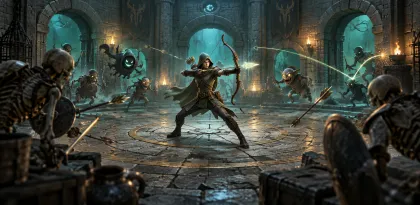

Archero is Habby's dungeon crawler about a lone archer who clears square rooms, picks random skills, and tries not to get touched. You move, you stop to shoot, and the next doorway leads to more monsters. Die and the run starts again. The official listing still sells that sentence: stack unique skills, crawl worlds, equip gear, and remember that death sends you back.
The US Google Play page for package com.habby.archero flags ads, in-app purchases, user interaction, and random items. The content rating is Everyone 10+ for fantasy violence. Randomness sits in two places: the skill choices inside a run, and the gacha-like or chest-like products that can deliver non-guaranteed gear. This review keeps those layers separate. One is the roguelike. The other is the shop.
The Core Loop: Move, Stop, Shoot, Pick a Skill
Archero's combat is a rhythm. Standing still lets arrows fly. Moving lets you dodge. The player who kites along a wall and plants only to fire will beat the player who walks in circles forever or plants in a badger's path.
A clean room looks like this:
- enter and identify the projectile pattern before you greed for damage
- clear a safe corner, then step out to shoot
- save a dodge for the attack that fills the room, not for the first slime
- pick a skill that matches the weapon you already have
- leave through the door with enough health for the next roll
Skills are the run's personality. Multishot, ricochet, front arrows, pets, and elemental effects can turn a modest bow into a screen-clearing machine. They can also stack into a mess if you take every shiny rare. A coherent build - many arrows that all go forward, or a bounce build that wants walls - beats a pile of unrelated bonuses.
Chapters are the campaign. Habby's update notes on the scrape used for this review mentioned expanded Hero Mode and Hell Mode chapter counts, plus estate, totem, and glyph systems. Those endgame layers exist for long-term accounts. They are not the first hour. The first hour is "can I clear this room without walking into a pool."
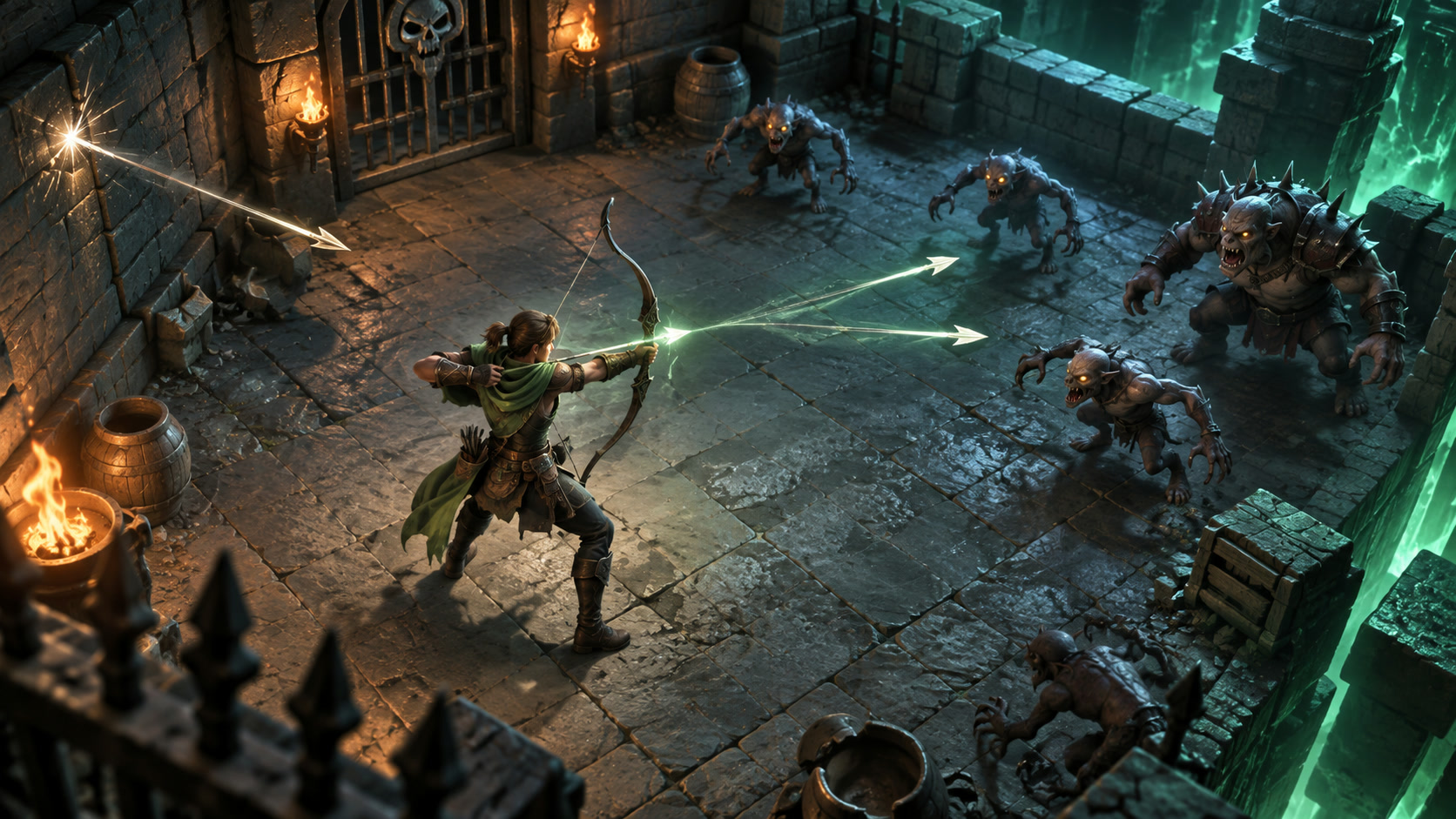
Editorial illustration: stop to shoot, move to live, and pick the skill that matches the bow.
Systems: Gear, Chapters, Estate, and Extra Modes
Outside a run you upgrade the archer. Weapons, armor, rings, and pets raise stats so the same chapter becomes readable. That grind is the live-service half. It is why a later chapter can feel like a wall until the gear catches up, and why a skill-lucky run can still punch above the account.
A systems plan that stays fair to the room:
- upgrade the weapon and armor you actually use
- push the next chapter until you fail two or three honest runs, then farm the previous one
- treat extra modes as side dishes. Legendary Challenge, estate buildings, and totem reforges are for when the main chapter is fun again
- do not open every chest just because a pop-up said the account was incomplete
The estate and totem systems in recent store notes add extra upgrade sinks. They can be satisfying if you like a base to tend. They can also hide the fact that the next skill pick still matters more than a new building name.
Ads are on the current Play label. Some ads are rewarded, some interrupt a lobby. Frequency changes. If an ad sits between you and the next room, decide whether the sitting is still about rooms. If it is not, stop.
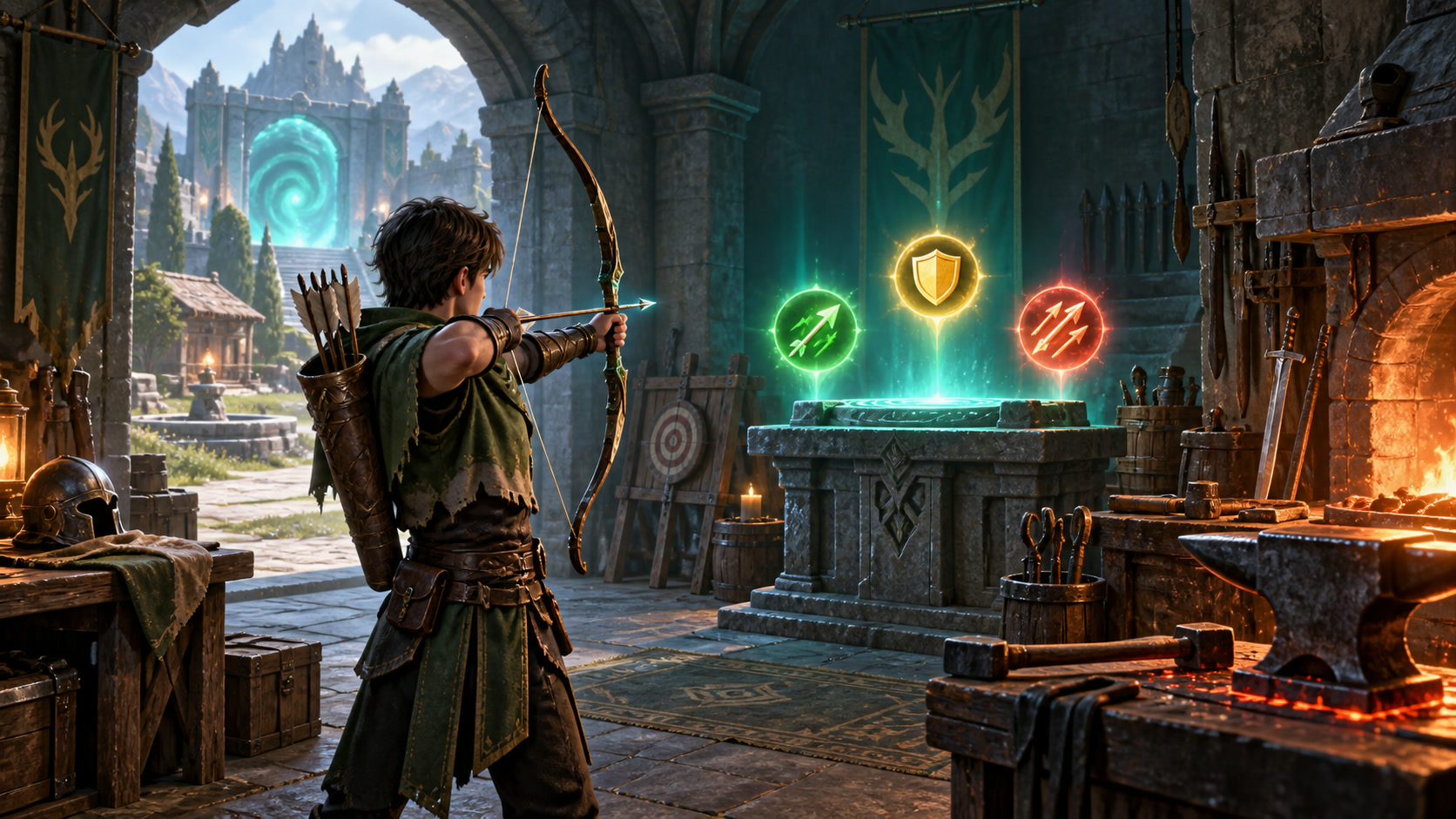
Editorial illustration: gear raises the floor; the skill trio still decides whether the room dies.
Spending Risk: Chests and Random Gear
Google Play's random-item line means some purchases or currency sinks can grant non-guaranteed equipment or similar rewards. Energy, revive prompts, and timed offers can sit beside those chests. The developer replied on the listing that purchasing is not the only way to strengthen the archer and pointed to daily missions, activities, and chapter chests. That is a useful official reminder. It is not a promise that the shop will stay quiet.
Neutral rules:
- read whether an offer is a fixed item or a random roll
- set a cash cap before a "last chance" chest
- use a revive only to learn a boss pattern, not to buy a chapter clear you cannot repeat
- enable purchase authentication on a shared device
- ignore third-party gem sellers
This article will not invent chest odds, energy prices, or pass contents. Habby can change those with an update. A player can climb many chapters by learning when to stand still.
If you are returning after a long break, expect more menus than you remember. Give the first session to one chapter, not to every new system that accumulated while you were away.
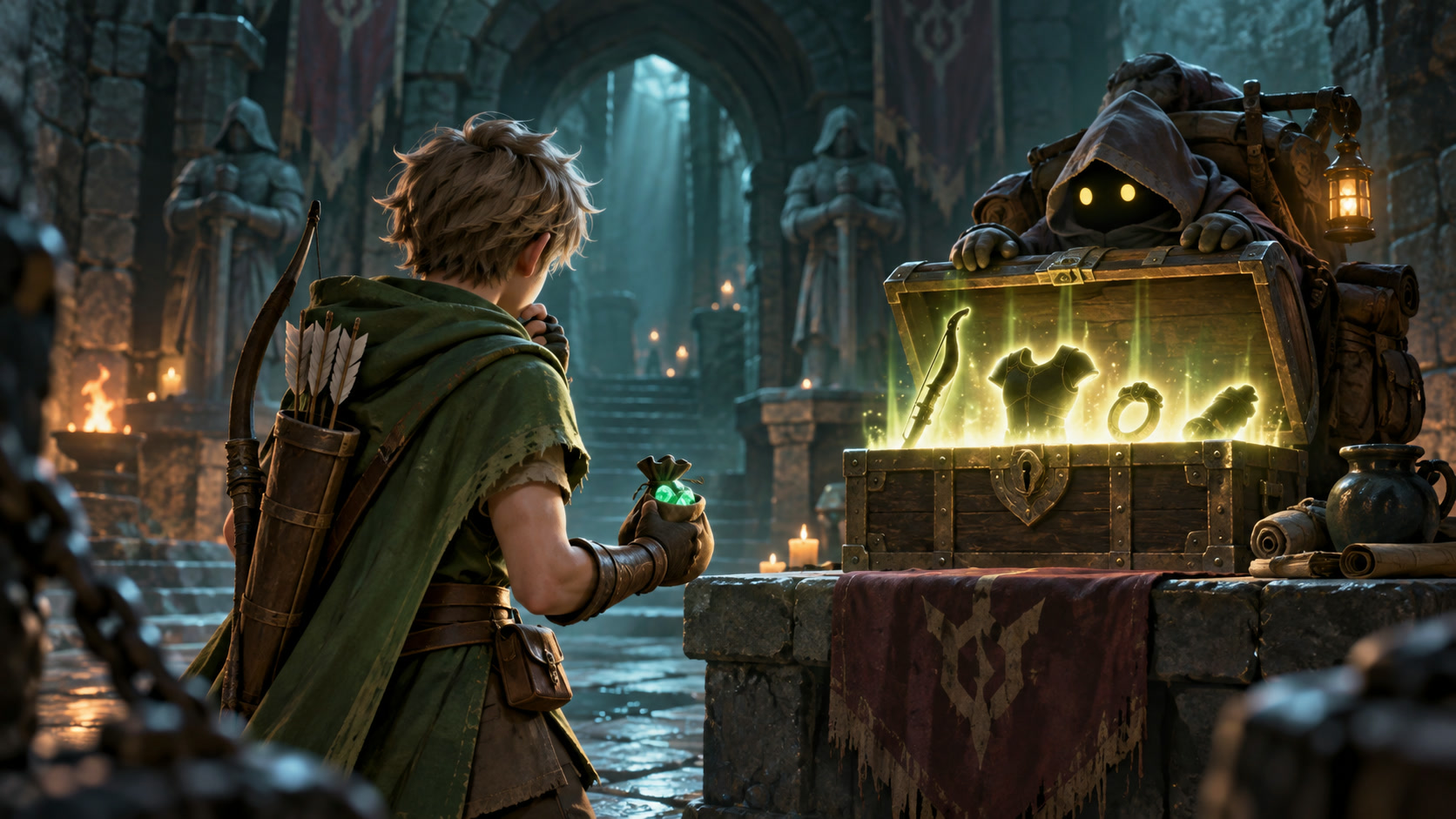
Editorial illustration: a chest is a roll; a chapter clear is a pattern you can learn.
A Smart First Session
Play until you can kite a room without dragging a finger in a circle. Take skills that duplicate a direction or a bounce. Ignore the shop. When you die, name the projectile that hit you.
Then stop on a success. One clean chapter beats a night of revive prompts.
Who Should Play Archero?
Archero is best for players who like short roguelike runs, readable bullet patterns, and a little account growth between attempts. It fits commutes and couch sessions if you can tolerate ads and a shop.
It is a weaker fit if random skill picks feel unfair, if chests and energy gates annoy you, or if you wanted a narrative action RPG rather than a room crawler. Players who already moved to a sequel should still judge this package on its own listing; it remains a separate product.
Strengths and Weaknesses
Strengths
- Instantly readable move-or-shoot combat
- Skill stacking makes each run feel different
- Chapters give a long, concrete climb
- Daily missions and chapter loot exist as non-shop progress
Weaknesses
- Ads and purchase prompts can crowd the lobby
- Random chests and gear rolls add spending risk
- Later chapters can stall behind gear walls
- Extra systems (estate, totems, glyphs) can bury the simple room
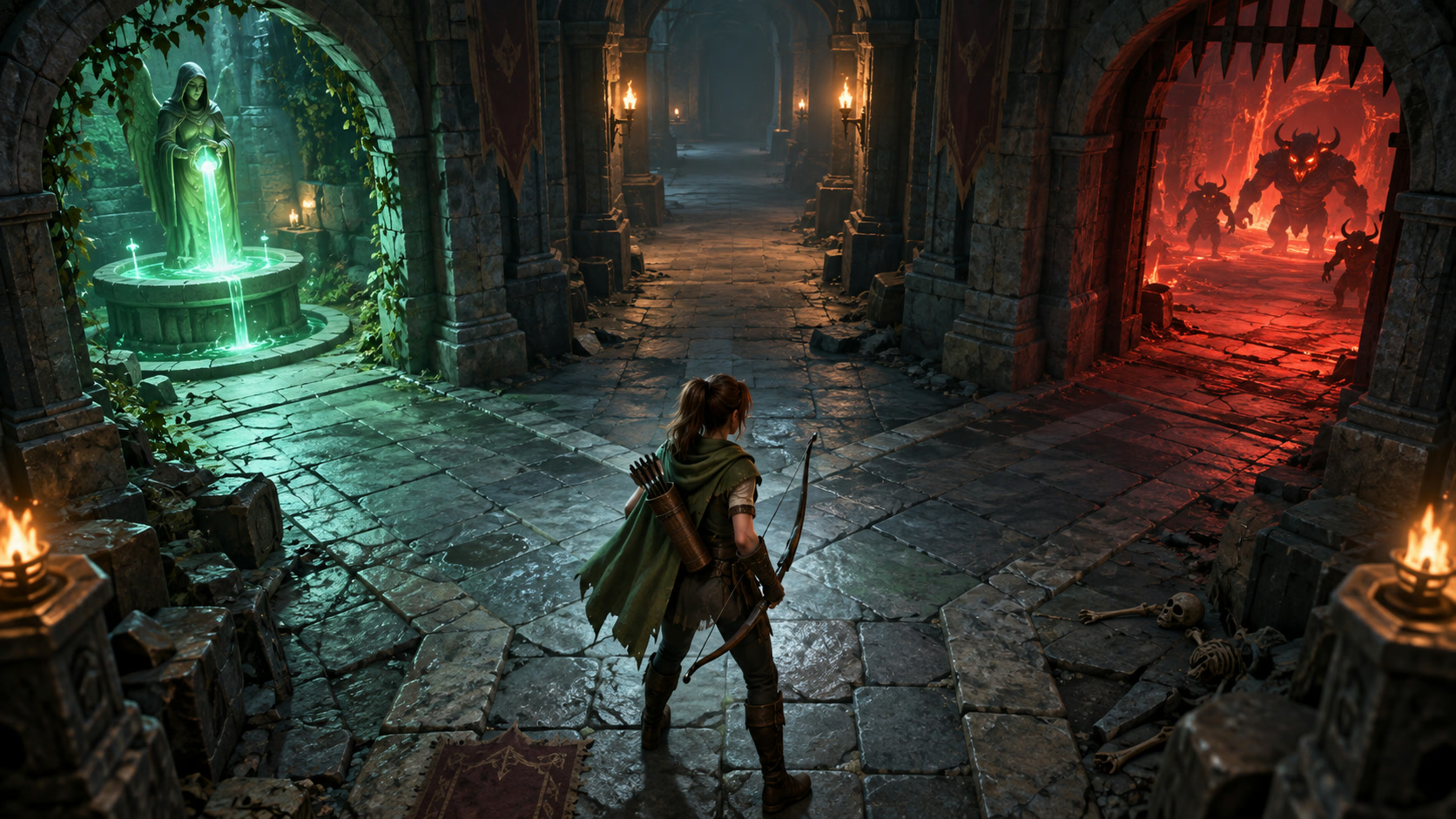
Editorial illustration: clear one chapter honestly, then decide whether any chest is worth opening.
Final Verdict
Archero is still a room, a bow, and a choice of three skills. That design is clean. The live product around it is louder: ads, gear, estate screens, and random items on the Play label.
Confirm package com.habby.archero. Learn to stand still on purpose. Build a skill plan, not a receipt. Played with a chapter goal and a spending cap, the lone archer still has a dungeon worth clearing.


.webp?x-oss-process=image/resize,w_80/format,webp)