
Azur Lane Review: Side-Scrolling Fleet Combat With a Very Large Dock

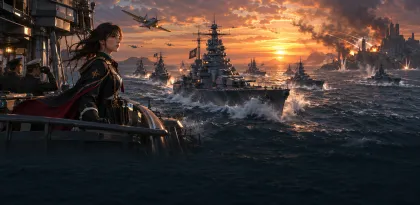

Azur Lane is Yostar's English release of a naval RPG that mixes 2D side-scrolling combat with fleet collection. You organize up to six ships, sortie through enemy fire, and decide whether the battle runs on AI or under your thumbs. The official homepage and the Google Play listing use the English title Azur Lane.
The US listing for package com.YoStarEN.AzurLane flags in-app purchases that include random items, user interaction, and a Teen rating that includes fantasy violence, suggestive themes, partial nudity, and language. The random-item line is the construction and event-drop layer. Ships are characters. There are more than 300 on the official store copy, and the live dock has grown for years. This review treats the sortie as the game and the dock as a collection that can expand without bound.
The Core Loop: Form the Fleet, Sortie, Collect, Repair
A map is a node path. You pick a fleet, move tile to tile, fight surface or air encounters, and try to reach the boss with enough durability left. In battle, ships auto-fire while you time specials, dodge, or let the AI handle the lane.
The loop that stays honest:
- build a vanguard line that can screen and a main line that can delete the back row
- enter a story or event map you can already clear with a margin
- use manual control when a boss pattern punishes AFK, and AI when a farm node is solved
- repair, restock, and decide whether the next run is still fun
- retire or park ships you will not invest, so the dock does not become the gameplay
The official listing emphasizes that both AI and manual battles are available. That choice is the real control scheme. Manual play is how you learn bullet patterns. AI is how you farm a map you have already understood. Using AI on a new boss is how you donate ships to the ocean.
Live2D exists for selected characters. It is presentation. It does not add a gun.
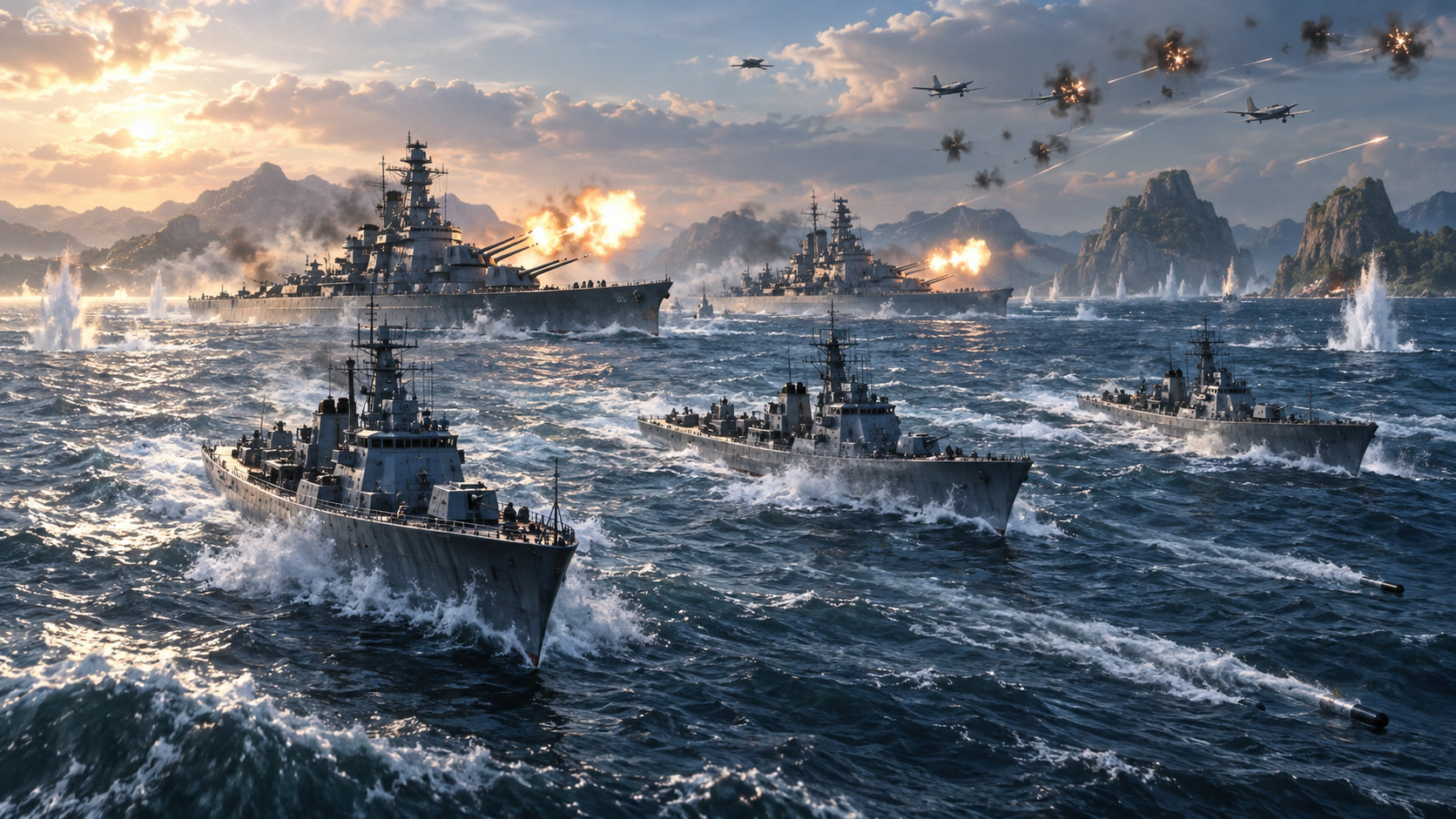
Editorial illustration: the vanguard screens, the main fleet fires, and the dock is only the bench.
Systems: Hull Types, Equipment, and Event Calendars
Azur Lane is a collection RPG with a shooter skin. Destroyers, cruisers, battleships, carriers, and submarines fill different slots. Equipment, limit breaks, and skills change whether a ship is a farmer, a boss killer, or a museum piece. Events add limited maps, shops, and often limited ships.
A systems plan that does not drown:
- raise one cheap farm fleet that can auto a current story map
- raise one boss fleet with a clear anti-air or boss-damage job
- spend event currency in the event shop before you spend gems on dock space
- read the current event page on the official site; English schedules are not the same as other regions
- keep recovery information private and bind the account
The "What's new" text on the scrape used for this review mentioned a non-mandatory bug-fix patch, while the store events rail advertised an anniversary campaign. Those two facts can sit together: the combat client may look quiet while the calendar is loud. Check in-game notices, not a memory of last year's banner.
Dock space is a real systems tax. New ships need rooms. Rooms often cost premium currency. That is a collection cost, not a combat requirement. A small, well-equipped fleet clears more maps than a full harbor of level-one characters.
Suggestive presentation is part of the store rating. If that tone is not what you want, this is the wrong naval game, regardless of how clean the sortie is.
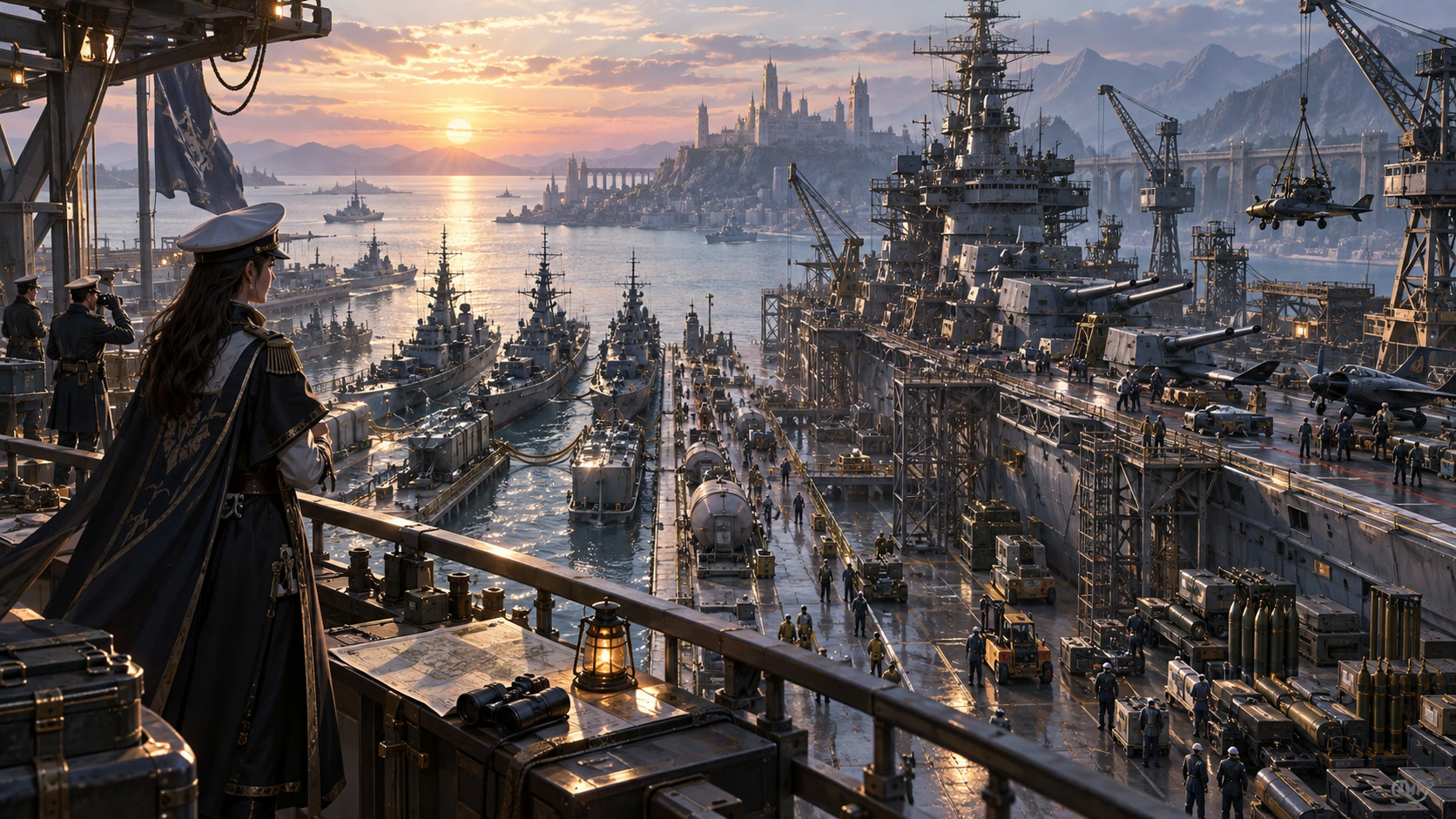
Editorial illustration: two working fleets and an event shop list beat an infinite dock expansion.
Spending Risk: Construction Is Random
Construction, event builds, and some drops are random. Google Play's random-item label applies. Gems buy dock space, cosmetics, and sometimes pulls. The English client has historically been lighter on a hard spark for every rarity than some other gacha games; whether a given banner has pity is a question for the current in-game rules, not for a remembered forum post.
Neutral rules:
- read the build rates and the event drop table before you spend
- set a gem and cash cap. Dock expansions count as spending
- farm event shops for ships that are sold as currency sinks
- do not pull to "complete" a dock of hundreds of ships. Completion is a moving target
- enable purchase authentication on a shared device
This article will not invent gem prices, build percentages, or anniversary pack contents. Those change. A player can enjoy the side-scroller and the story with a modest fleet. Collection completion is a hobby the game will happily extend forever.
Avoid unofficial gem sellers and account markets. They are not official sources and they create recovery risk.
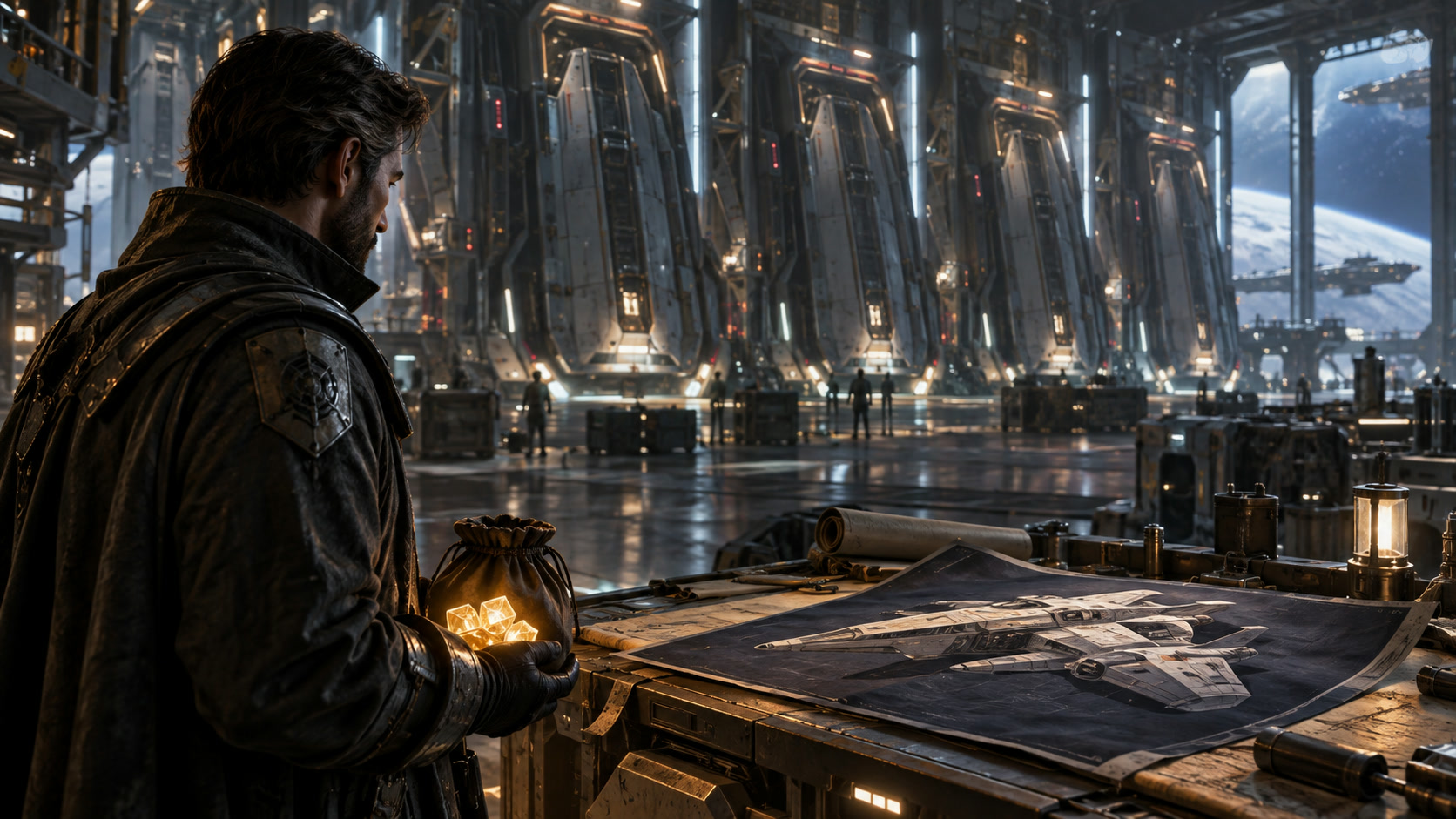
Editorial illustration: a random build is a lottery ticket; the event shop is a shopping list.
A Smart First Session
Play the opening sorties until you can tell vanguard from main fleet. Turn on manual for one boss so you feel the bullets. Then build a cheap fleet for the next story map and ignore the skin shop.
Bind the account before you care about the dock. Azur Lane is a long-lived client. Guest progress is a fragile way to start a harbor.
Who Should Play Azur Lane?
Azur Lane is best for players who like fleet building, light bullet-hell sorties, and a large cast of ship girls. It fits people who enjoy event shops and a daily farm that can run on AI after the first clear.
It is a weaker fit if you want a one-time purchase, a small complete roster, or a game without suggestive character art. It is also a weaker fit if a dock that never finishes will bother you.
Strengths and Weaknesses
Strengths
- Readable side-scrolling fleet combat with AI or manual control
- Deep hull and equipment identity once you learn roles
- Event shops often give a non-random path to some ships
- A long official English support run from Yostar
Weaknesses
- Random construction and a huge dock create collection pressure
- Dock space and quality-of-life can sit behind premium currency
- Beginner menus are crowded after years of systems
- Suggestive presentation is not optional flavor; it is part of the rating
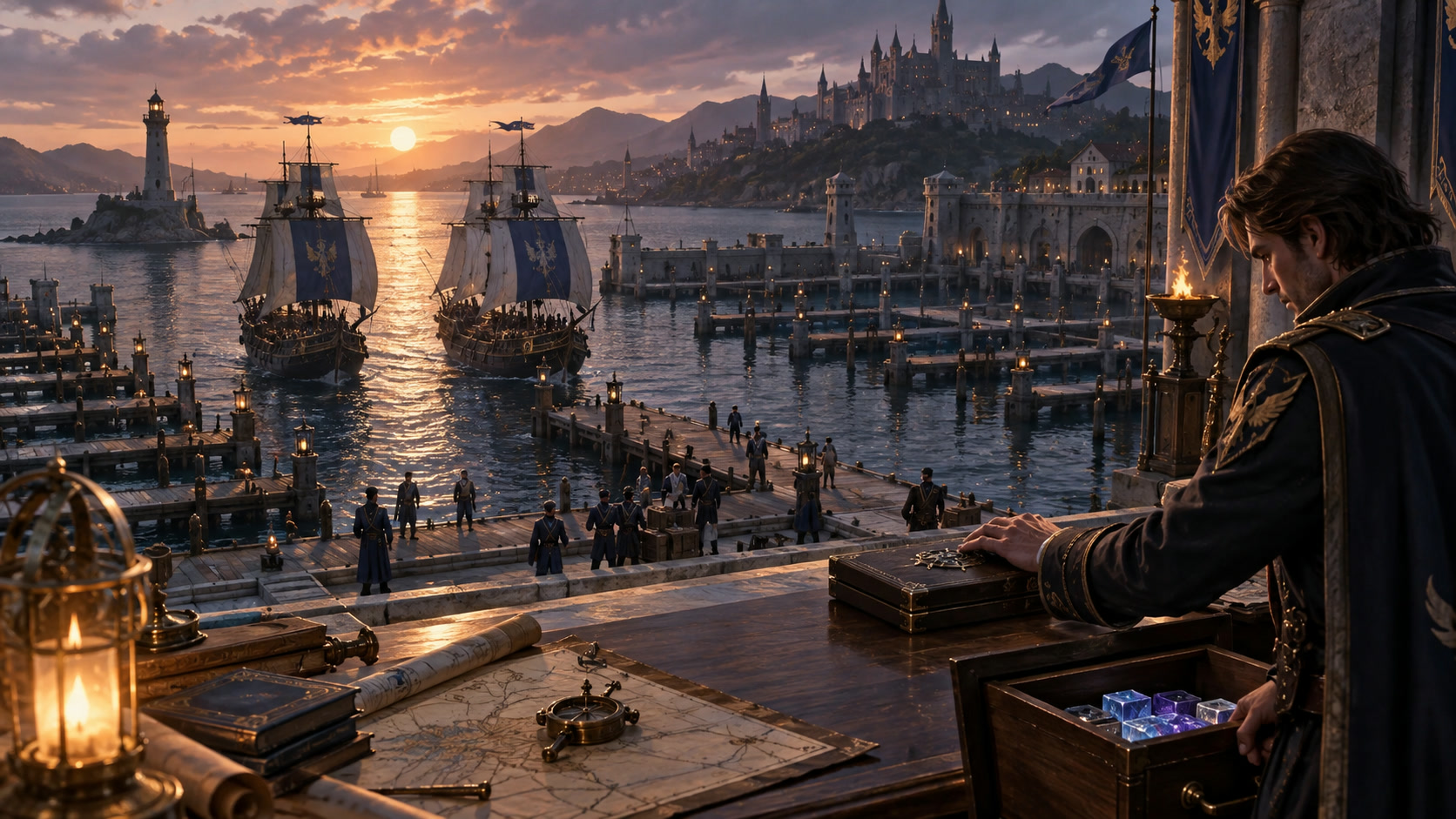
Editorial illustration: bind the harbor, fund two fleets, and let the rest of the dock stay a museum.
Final Verdict
Azur Lane is a sortie game that grew a city-sized dock. The fun is still a six-ship fleet breaking a map, whether you steer it or let a solved AI path run. The risk is believing the dock has to be complete.
Confirm package com.YoStarEN.AzurLane. Read current build rates. Spend event currency before gems. Played with two working fleets and a written cap, Azur Lane remains a distinctive naval collector on Android.


.webp?x-oss-process=image/resize,w_80/format,webp)