
FPS Strike Ops Review: Offline-Friendly Shooting With Caveats

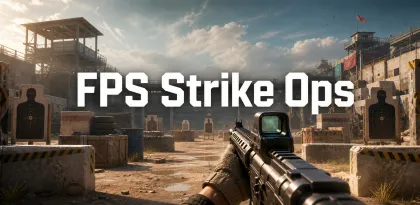

FPS Strike Ops: Modern Arena is a mobile first-person shooter centered on quick missions, deathmatch-style combat, weapon variety, and cosmetic customization. The official listing advertises more than 20 weapons, sniper options, multiple maps, Death Match, Team Death Match, and offline availability. Google Play currently shows 100M+ downloads and a Teen content rating. The listing was updated on Jul 29, 2026, so features and offers should still be checked in the installed version.
Popularity is a useful discovery signal, not proof of quality. This review therefore focuses on the decisions the game repeatedly asks you to make, the systems that support or distract from those decisions, and the practical limits around money, privacy, age, and hardware.
The Core Loop
A match asks the player to read the map, move between cover, control aim, choose an appropriate weapon range, and finish the objective before the opposition. Progression then returns to loadout choices and skins. Fast reflexes help, but route knowledge and controlled bursts matter more than constant firing.
The first hour should be used to learn feedback rather than to maximize rewards. Notice what the game communicates clearly, what it hides behind menus, and which mistakes create knowledge for the next attempt. A healthy loop makes failure or delay informative; a weak loop merely asks for another tap, another ad, or another purchase.
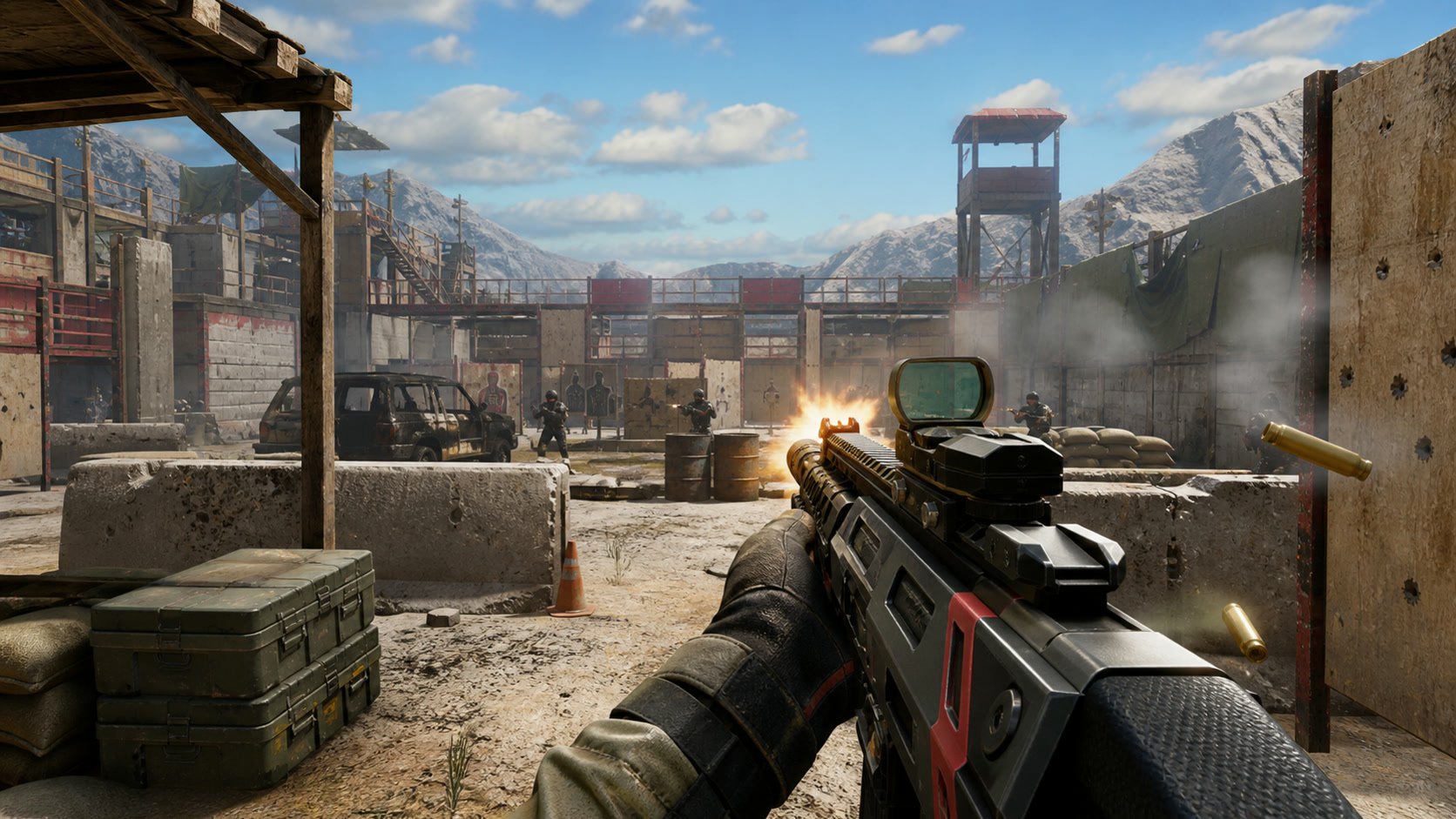
Editorial illustration: the loop is easiest to understand when every action has a visible consequence.
The Systems Around the Main Mechanic
Submachine guns, rifles, machine guns, and sniper weapons support different engagement distances. Weapon skins change presentation, while maps create repeated sight lines and flank routes. The store description uses both multiplayer language and an offline claim, so treat actual mode availability as something to verify in the installed version.
These supporting systems matter because they shape the pace between active moments. The best ones create a meaningful decision before the next round. The weaker ones add collection, notifications, or currency without changing how the player thinks. New users should learn the central mechanic first and add optional systems only when their purpose is clear.
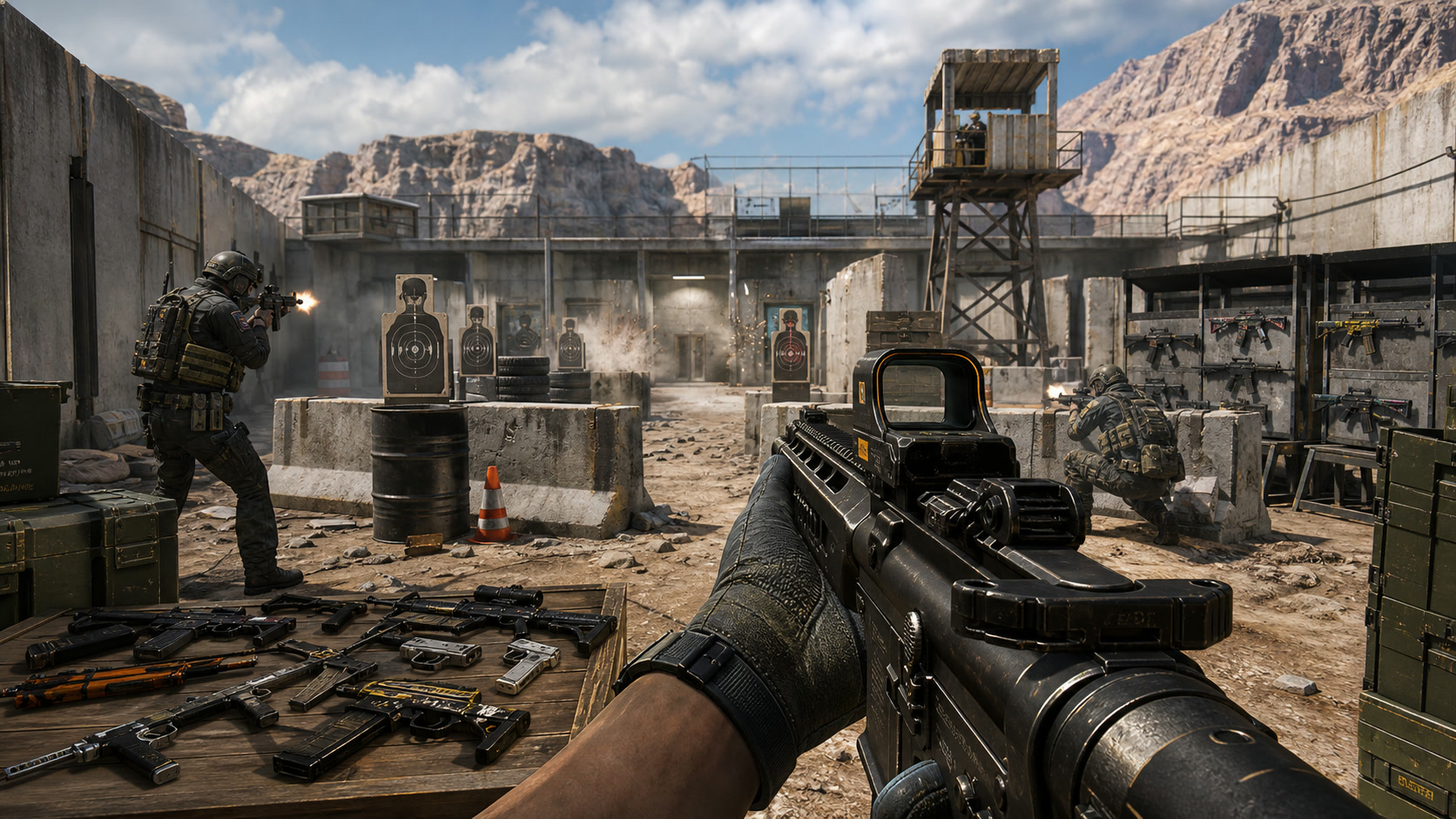
Editorial illustration: separate the central mechanic from the progression systems wrapped around it.
Progression: A Better Way to Improve
Pick one close-range and one long-range weapon to learn before spending resources broadly. Adjust sensitivity in small steps, test recoil against a fixed surface, and separate aim practice from match results. A consistent control setup improves faster than switching weapons after every loss.
A useful routine is to choose one measurable goal for a session, stop when attention falls, and review one mistake before starting again. This avoids confusing time spent with skill gained. Event calendars, streaks, or daily rewards may be convenient, but they should not decide whether a session continues after it stops being enjoyable.
Ads, Purchases, and Random Rewards
Google Play lists ads, in-app purchases, and random items. Weapon and skin acquisition can therefore combine performance desire with randomized reward pressure. Check odds in the current build, avoid buying after a losing streak, and do not assume a rare skin will correct weak positioning or aim.
Store labels describe the current distribution page, not every screen a player may see after a future update. Before paying, confirm the exact item, currency, renewal rule, refund route, and whether the benefit survives account loss or a service shutdown. Randomized rewards deserve a lower budget than direct purchases because the desired result is not guaranteed.
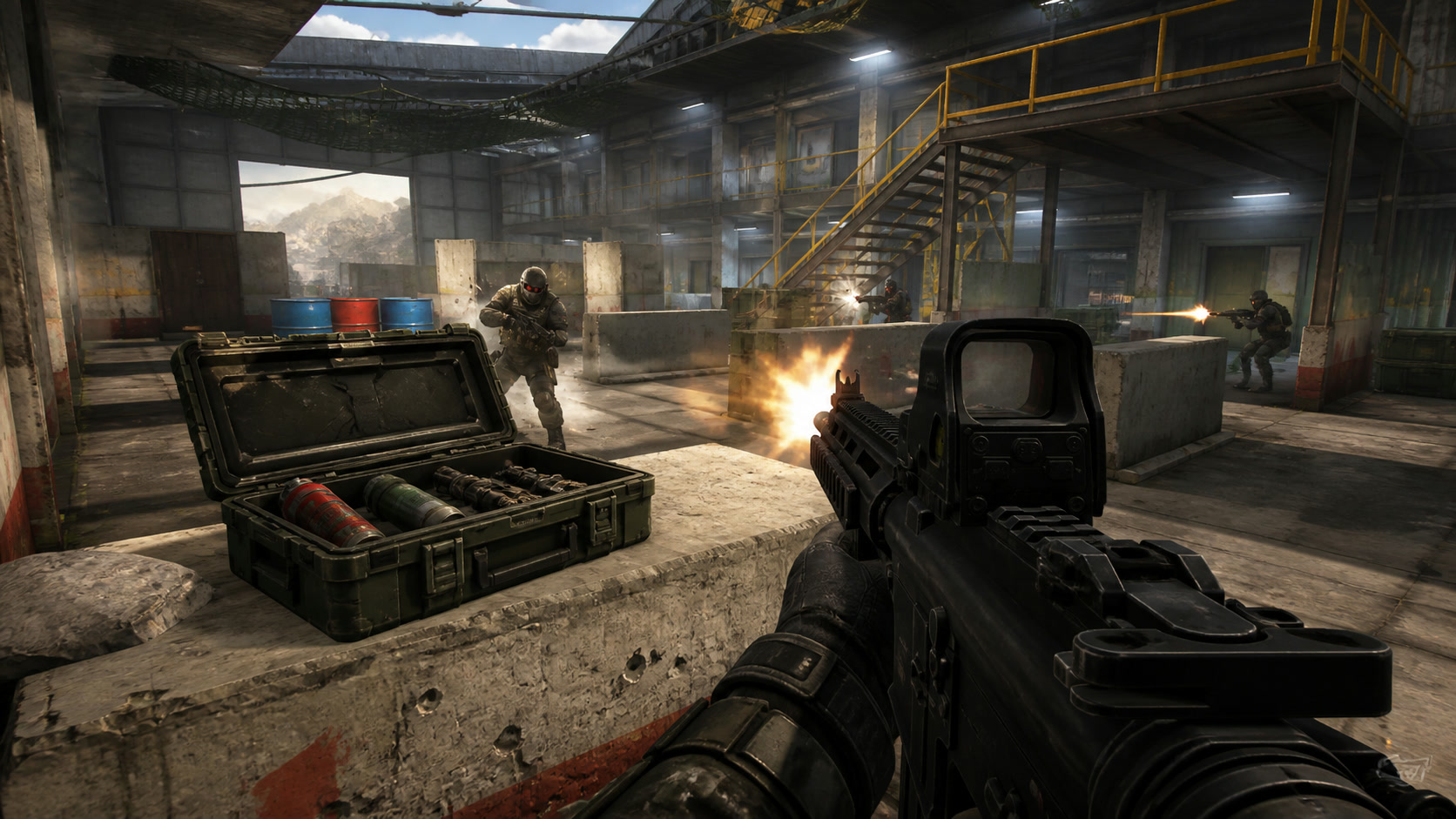
Editorial illustration: enjoyment improves when money, time, and device constraints are decided in advance.
Device and Performance Expectations
The developer describes optimization for weaker devices, but that is not a universal performance guarantee. Frame stability, touch latency, heat, and screen size affect aiming. Lower graphics before increasing sensitivity, and keep enough storage for updates and cached map data.
Compatibility on Google Play means the store allows installation; it does not promise identical frame rate, battery use, controller support, or network quality on every model. Keep the operating system and app current, use official downloads, and avoid third-party “performance” tools that request excessive permissions.
Privacy, Younger Players, and Healthy Sessions
The Teen rating reflects gun combat, and connected modes may expose public names or interactions. Use a non-identifying account name, mute or report abusive users where tools exist, and keep purchase authentication enabled. Offline modes are the safer default when social exposure is not wanted.
Use a unique password when an account is required, enable platform purchase authentication, and do not share recovery codes. For a child’s device, review permissions and social features together with the child. A content rating addresses themes such as violence or language; it is not a complete judgment about spending design, chat, advertising, or privacy.
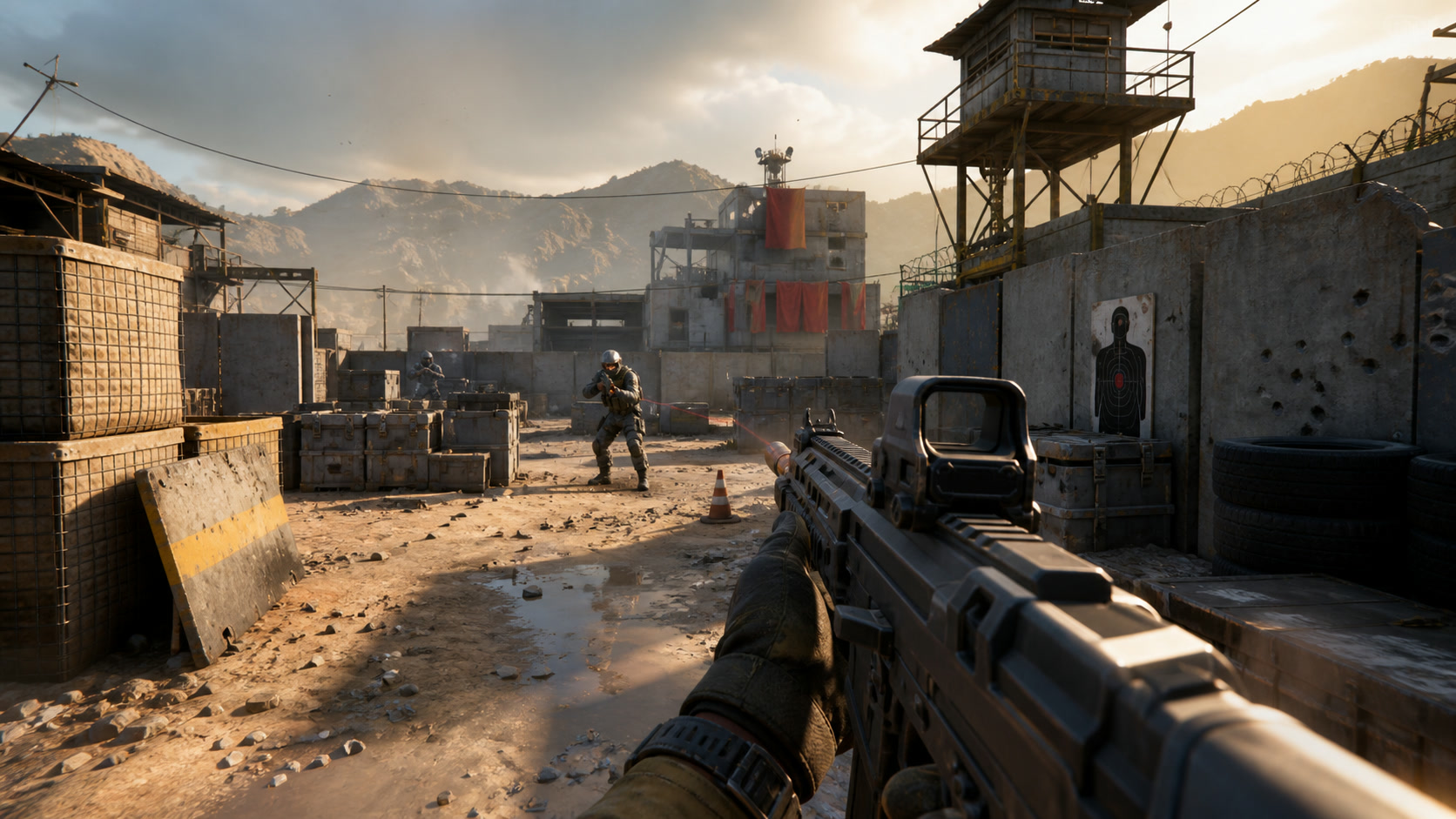
Editorial illustration: the best recommendation depends on fit, not popularity alone.
Who Is It For?
This is a strong fit for players who want compact mobile shooting, configurable loadouts, quick matches, sniper play, and some offline access. It is a weaker recommendation for players seeking console-level tactical depth, a guaranteed fully offline package, nonviolent play, or progression without random items.
Strengths and Weaknesses
Strengths
- More than 20 listed weapons
- Multiple engagement styles and maps
- Simple sessions support aim practice
- Offline claims broaden travel use when available
Weaknesses
- Random items increase spending risk
- Mode descriptions are not completely clear
- Touch aiming depends heavily on device performance
- Ads can break match flow
Final Verdict
FPS Strike Ops offers an accessible route into mobile shooting, especially for players who value short missions and configurable controls. Its official feature list is broad, but mode availability and performance should be tested rather than assumed. Learn two weapons, protect the account, and keep random-item spending separate from competitive frustration.
The practical recommendation is to install from an official source, test the first session without spending, and decide in advance what would make the game worth keeping. A popular title earns attention; it still has to earn time, storage, money, and trust on the player’s own device.


.webp?x-oss-process=image/resize,w_80/format,webp)