
Merge Cooking Review: Cozy Kitchens, Busy Progression


Merge Cooking combines a merge board, customer orders, global dishes, restaurant renovation, and limited-time events. The official description frames the journey as a food tour through cities and cuisines, with new recipes unlocked as matching ingredients become more advanced.
Google Play currently shows 10M+ downloads, a Everyone content rating, an update date of Aug 20, 2026. Store details can vary by region and should be rechecked in the installed listing.
Popularity is a discovery signal, not proof of quality. This review focuses on the decisions the game repeatedly asks the player to make, the systems that support or distract from those decisions, and the practical limits around money, privacy, age, and hardware.
The Core Loop
Players generate low-level ingredients, merge matching pieces, fulfill an order, earn resources, and improve the next restaurant. Board space is the central limit. Creating too many unrelated items can block the exact chain needed for a customer, while a clean plan turns a crowded board into a useful kitchen.
The first hour should be used to understand feedback rather than to maximize rewards. Notice which mistakes reveal a rule, which controls require calibration, and which systems merely ask for another tap. A strong mobile loop makes the next attempt more informed; a weak one replaces learning with waiting or spending.
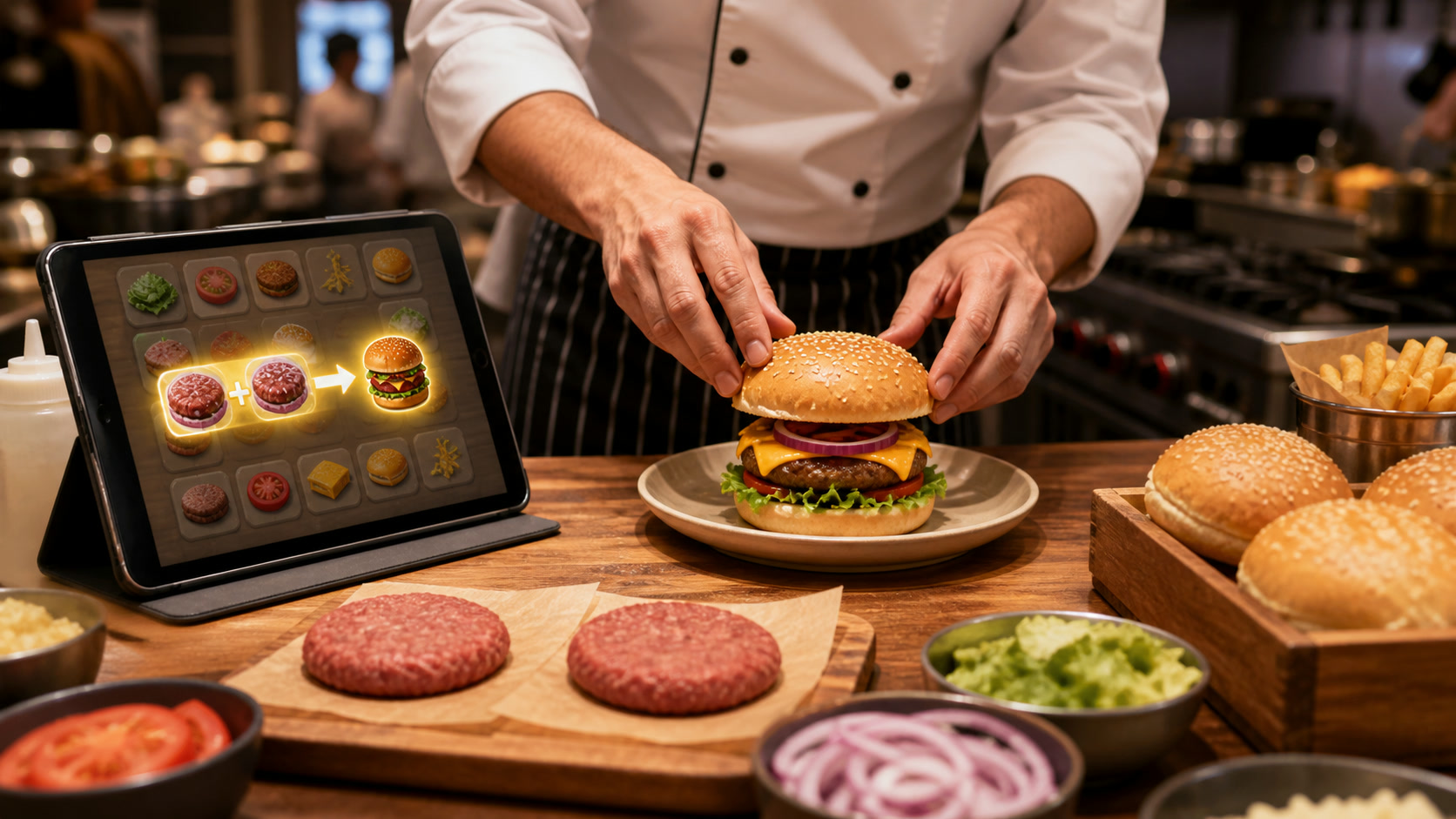
Editorial scene: an original chef merging matching ingredients on a lively kitchen prep table before serving a customer order
The Systems Around the Main Mechanic
Order queues, ingredient generators, energy, merge chains, city progression, restaurant decoration, special events, and collaborations all compete for attention. The food theme gives each chain a purpose, but limited-time content can pull resources away from the permanent restaurant path.
Supporting systems are valuable only when they create a meaningful choice before the next round. New players should learn the central mechanic first, then add events, collections, or upgrades once their purpose is clear. This prevents a busy interface from being mistaken for strategic depth.
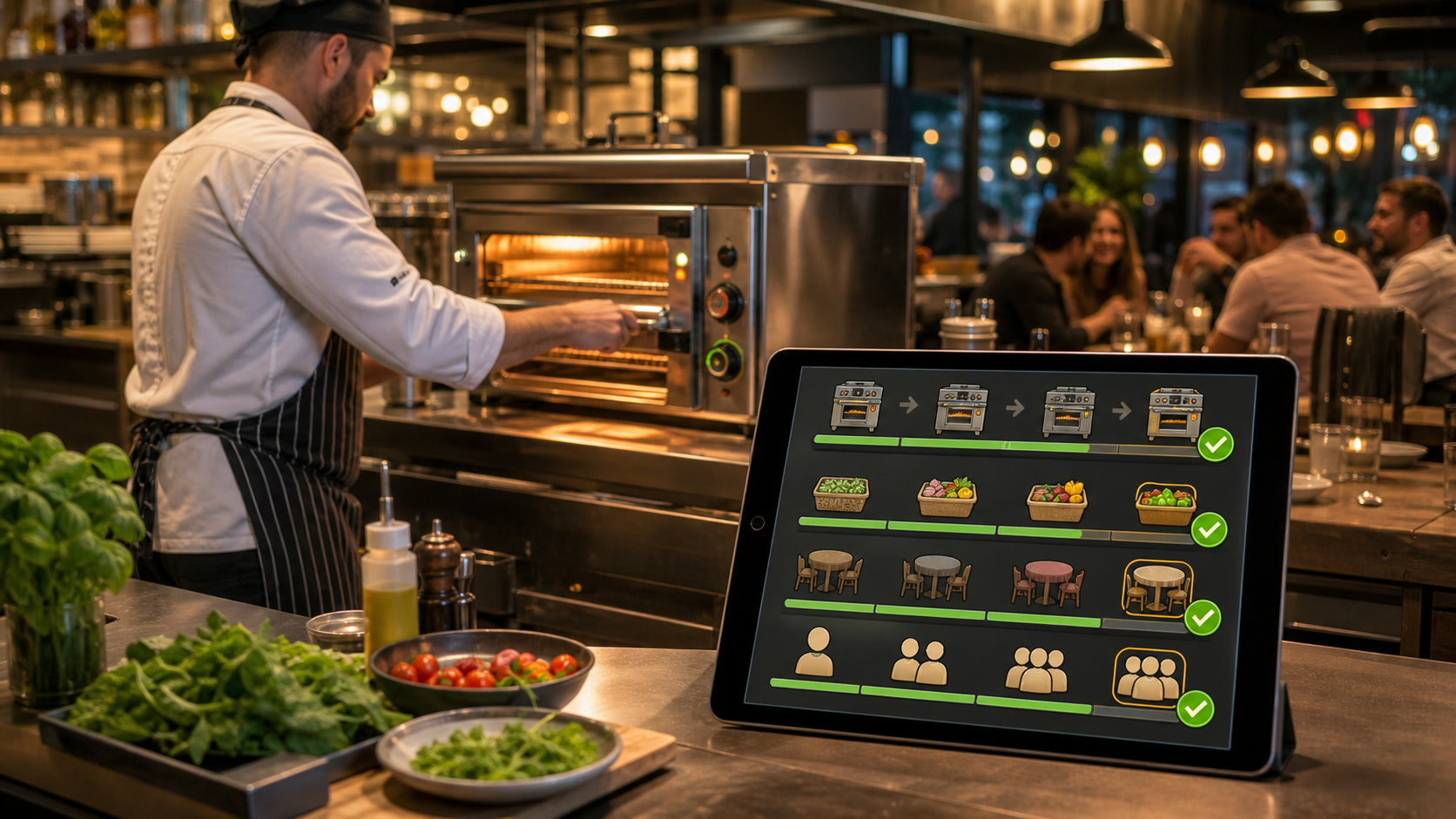
Editorial scene: a coherent restaurant scene connecting a merge station, world-cuisine dishes, renovation work, and waiting diners
Progression: A Better Way to Improve
Read several orders before generating items. Reserve open cells, finish short chains when the board becomes tight, and avoid merging a useful low-level ingredient only because a higher tier is available. Choose either the main restaurant or an event as the session priority rather than advancing both inefficiently.
Choose one measurable session goal, stop when attention drops, and review one decision before starting again. Daily rewards and limited events may be convenient, but they should not determine whether play continues after it stops being enjoyable.
Ads, Purchases, and Random Rewards
Google Play lists ads and in-app purchases, with no random-item disclosure in the captured page. Energy, board pressure, event passes, and limited-time collaborations can make waiting feel expensive. Compare any purchase with the permanent progress it provides and avoid spending to repair a board filled by unfocused generation.
The captured store page did not include a random-item disclosure. That is not a permanent guarantee: monetization can change with updates or regions. Before paying, confirm the exact item, duration, renewal rule, account binding, and refund path in the current build.
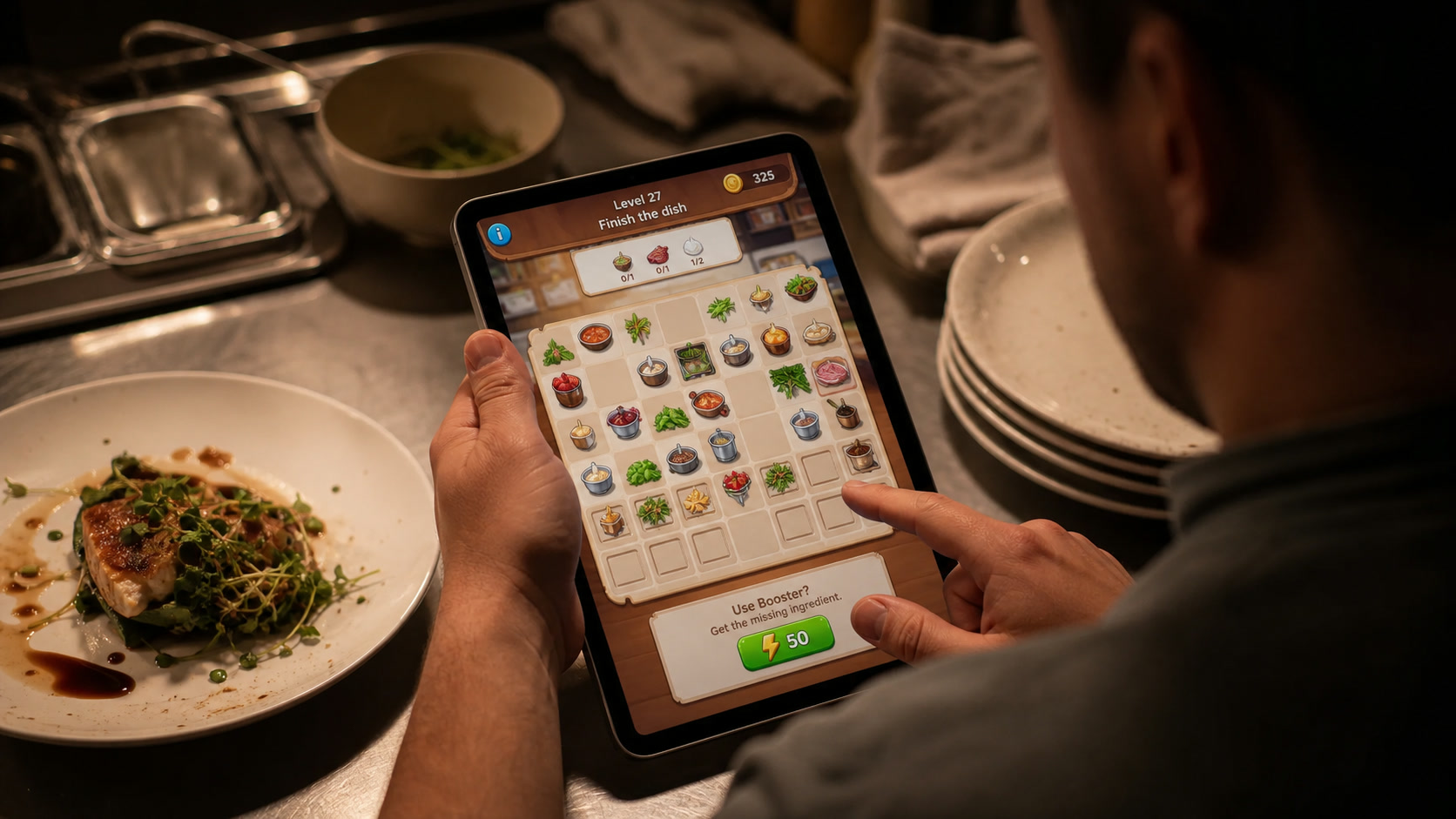
Editorial scene: a chef preserving scarce board space instead of chasing a glowing limited-time event ingredient
Device and Performance Expectations
The merge interaction is not graphically demanding, but live events and asset updates need a stable account and network. A larger screen makes a crowded board easier to parse. Before changing devices, confirm that progress is linked and that the current event state can be recovered.
Store compatibility allows installation; it does not guarantee identical frame rate, battery use, touch latency, controller support, or network stability on every model. Use official downloads, keep the operating system current, and avoid third-party performance tools that request excessive permissions.
Privacy, Younger Players, and Healthy Sessions
The Everyone rating covers the friendly cooking theme. The practical risks are advertising, event urgency, and purchases rather than content. Younger players should not receive unrestricted access to an event pass or energy refill simply because the restaurant art looks educational.
Use a unique password when an account is required, protect recovery information, and enable platform purchase authentication. A content rating addresses themes such as violence or language; it does not fully judge advertising, chat, privacy, random rewards, or pressure to return.
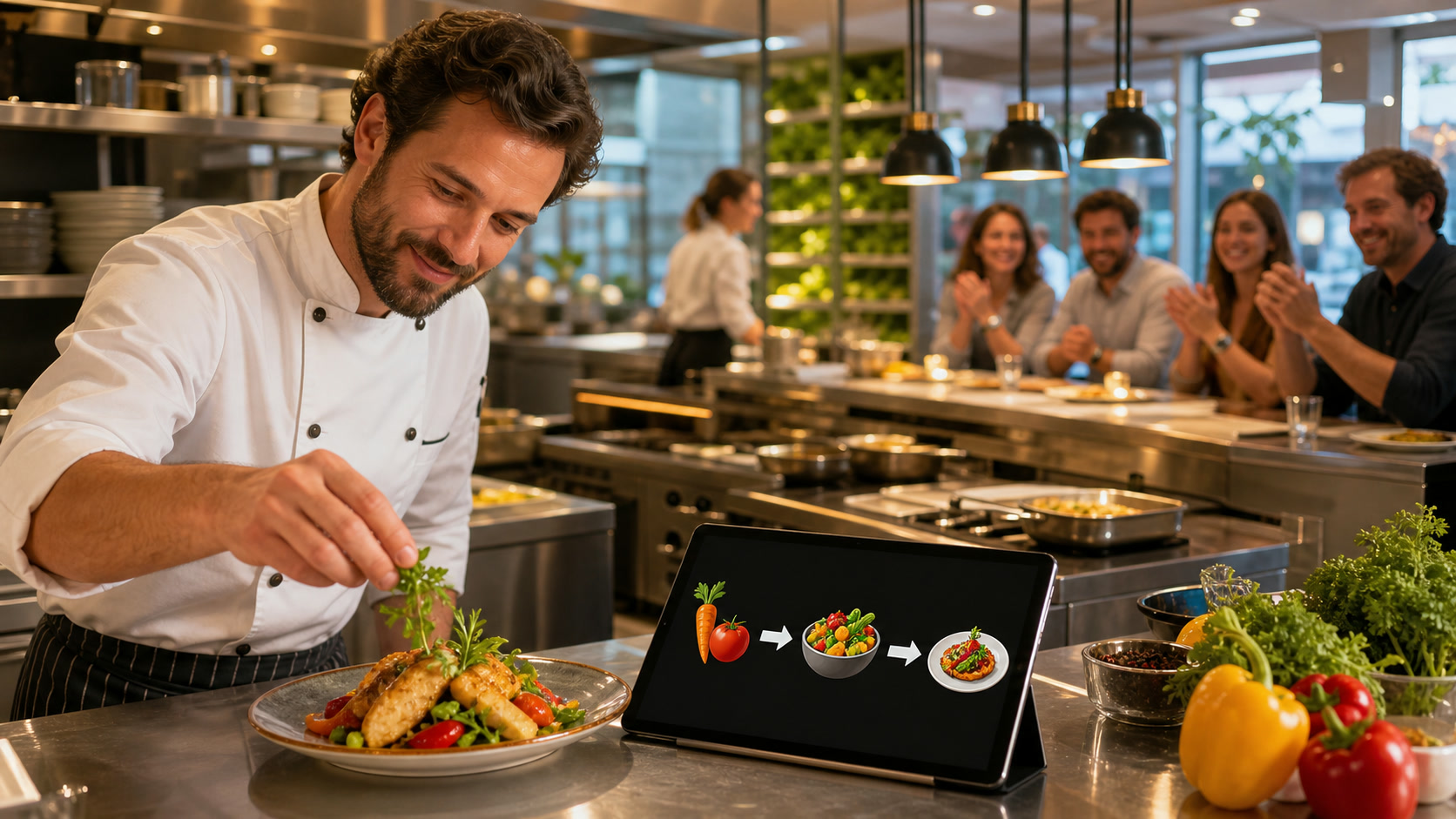
Editorial scene: a renovated global restaurant serving completed dishes from several carefully planned merge chains
Who Is It For?
This is a strong fit for players who enjoy merge chains, order planning, restaurant renovation, food themes, global progression, and gentle long-term collection. It is a weaker recommendation for players who dislike energy limits, board congestion, recurring events, advertising, or a cooking game without timing-based kitchen controls.
Strengths and Weaknesses
Strengths
- Orders give merge chains a clear purpose
- World cuisines support visual variety
- Renovation adds a second form of progress
- Board management rewards planning
Weaknesses
- Energy limits can interrupt a useful session
- A crowded board creates artificial pressure
- Events compete with permanent goals
- Ads and purchases weaken the cozy tone
Final Verdict
Merge Cooking is most enjoyable when the board is treated as a small inventory puzzle rather than a tapping surface. Planning two orders ahead creates a calm rhythm that suits the restaurant theme. Event and energy pressure should remain optional, or the cozy food tour becomes a schedule.
The practical recommendation is to install from an official source, test the first session without spending, and decide in advance what would make the game worth keeping. A popular title earns attention; it still has to earn time, storage, money, and trust on the player’s own device.


.webp?x-oss-process=image/resize,w_80/format,webp)