
Rush Rally 3 Review: Console-Minded Rally Stages With Mobile Career Pressure



Rush Rally 3 is a realistic rally simulation from Brownmonster that aims for console-like stage driving on phones and tablets. The store description emphasizes high frame-rate racing in day, night, rain, and snow; more than seventy unique stages across snow, gravel, tarmac, and dirt; real-time deformation and damage; career and single-rally structures; Rally Cross; weekly live events; garage upgrades; a livery editor; ghost racing; social leaderboards; and cross-platform real-time multiplayer. Customizable touch and tilt layouts plus MFi controller support target players who care about input feel. In-app purchases are present; ads were not flagged on the scrape used for this review. Re-check the live listing for packs, prices, and device requirements.
This Rush Rally 3 review explains the stage loop, how setup and surface choice matter, and how to enjoy career and multiplayer without turning every week into a spending obligation.
The Core Loop: Pace, Grip, Damage, Finish
A rally stage is a timed run from A to B on a surface that changes how the car rotates, brakes, and recovers. You read the road, manage throttle on loose grip, and protect the car because damage is not only cosmetic. Clean finishes matter more than heroic mid-corner disasters that shred the next sector.
The practical loop:
- study or learn the stage’s rhythm (pace notes and visual reading)
- adapt driving line and speed to surface type
- protect the car so mechanical issues do not erase a good split
- push only after the line is known
- return to the garage to upgrade, retune, or re-liveries
Night and weather change visibility and grip assumptions. A setup that felt perfect in dry gravel can misbehave in snow or rain. Treat each stage as a new problem, not a copy-paste of the last time.
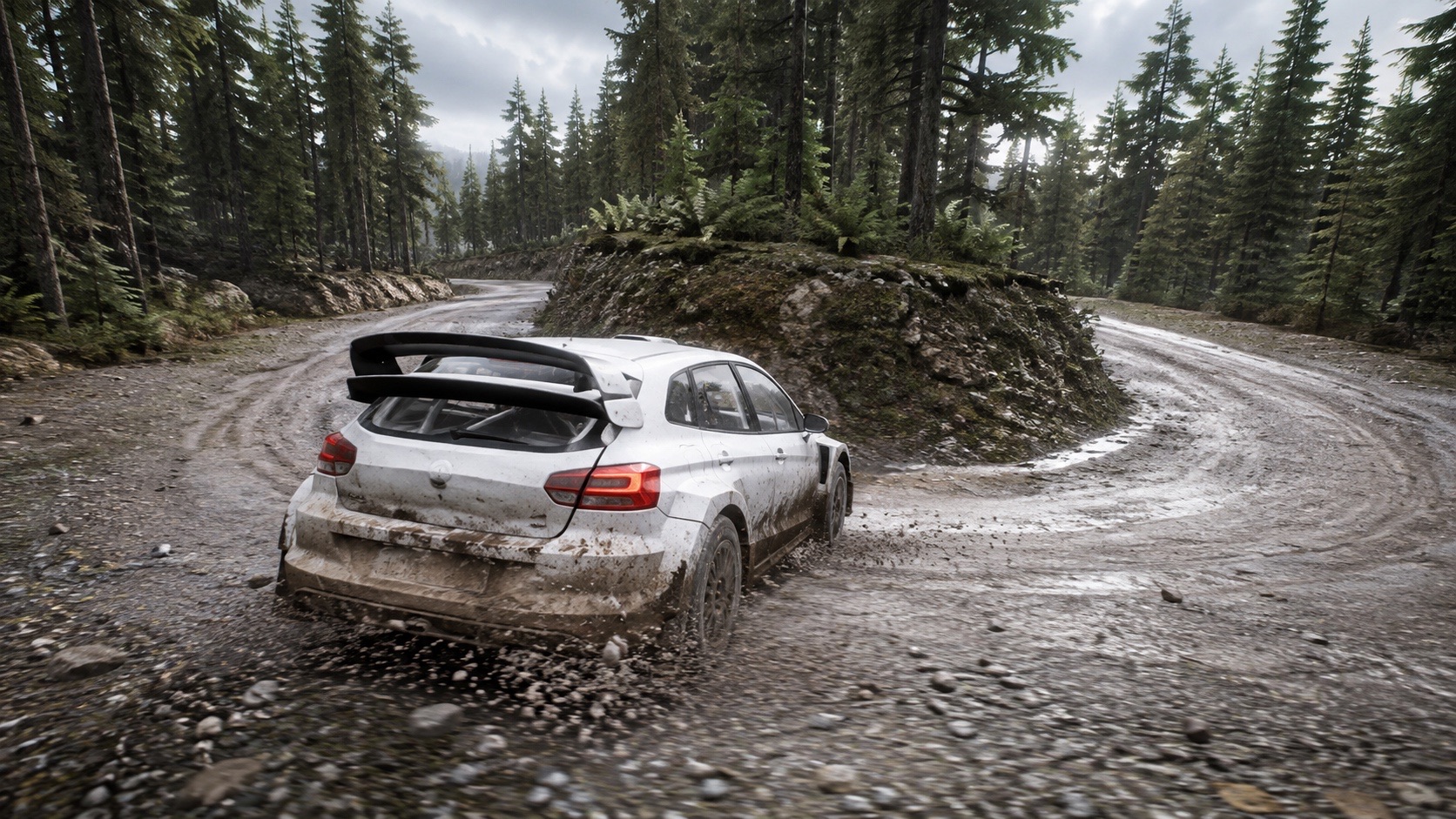
Editorial illustration: rally success is reading the road early and bringing the car home intact.
Setup Is Strategy, Not Cosmetics Alone
Garage work is where Rush Rally 3 separates casual arcade racers from sim-minded players. Tires, gearing, and suspension should match the next surface family. Uphill stages and long straights punish poor gearing. Bumpy stages punish overly stiff assumptions. Practice runs before career pressure reduce the cost of learning a corner the hard way.
A useful setup plan:
- match tires to snow, gravel, tarmac, or dirt intent
- cover both hill climbs and high-speed sections in gearing
- balance suspension for bump absorption and turn-in
- run a low-stakes pass before a ranked or career attempt
- use the livery editor for identity after the car already handles
Customization of control placement is equally strategic. Put throttle, brake, and steering where your thumbs naturally rest. If you own a supported controller, test it early; many sim players find consistency improves once input noise drops.
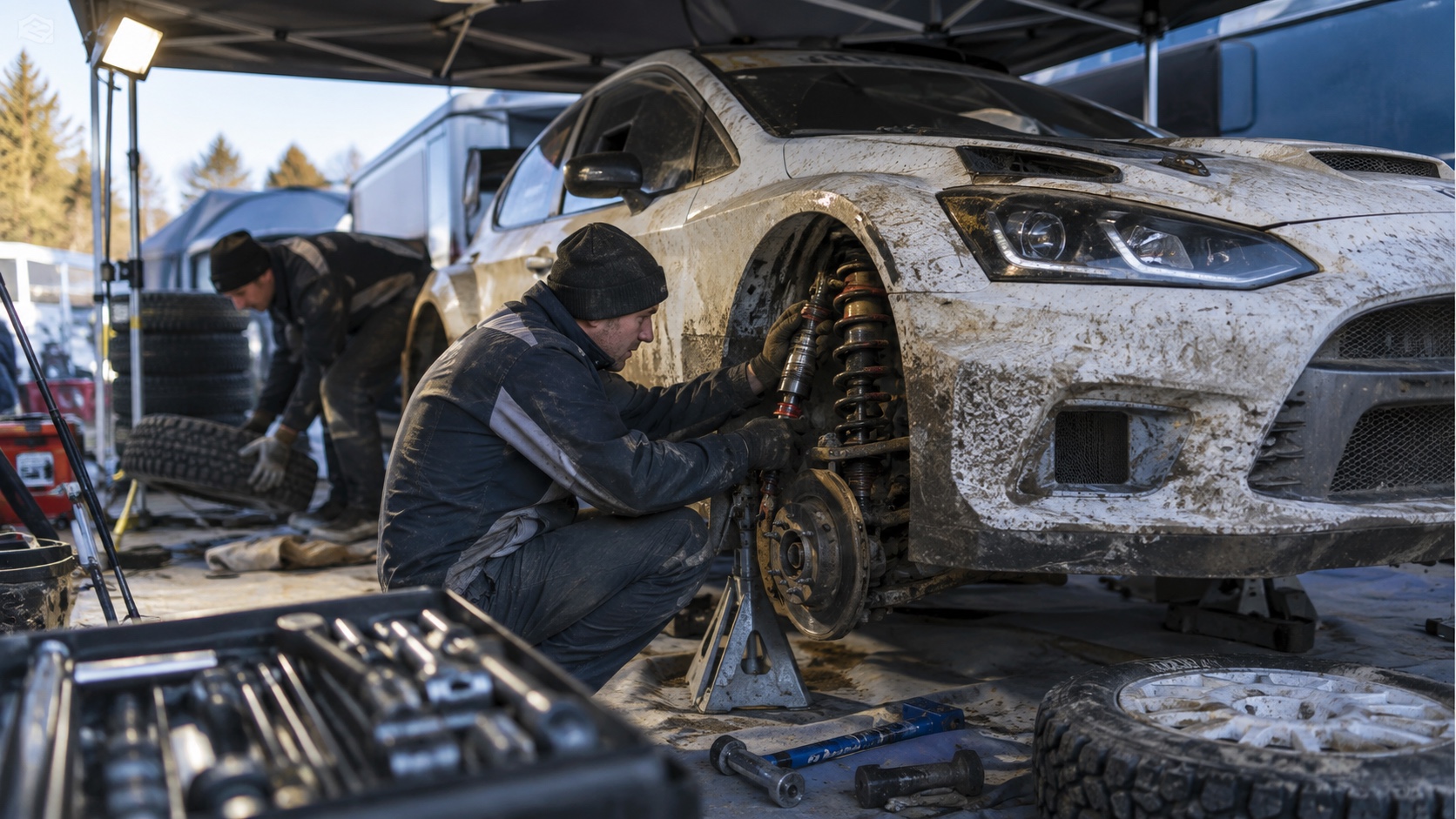
Editorial illustration: change one setup family at a time and verify on a practice stage.
Career, Rally Cross, Live Events, and Multiplayer
Career mode structures progression across rallies and seasons. Single Rally lets you focus on A-B stage chains without the full career frame. Rally Cross switches the fantasy to metal-to-metal pressure with other cars—less pure time-trial isolation, more chaos management. Live weekly events add optional competition on curated track selections. Ghost racing and social leaderboards let you measure pace against friends or global times without requiring a full lobby every minute. Real-time multiplayer, including cross-platform support as advertised, is for players who want live rivalry when it is available on their platform mix.
Choose a primary mode for each week:
- career for structured garage growth
- single rally for focused stage practice
- rally cross when you want contact pressure
- live events only if weekly competition energizes you
- multiplayer when network quality and schedule allow
You do not need every mode to “finish” the game. Depth comes from cleaner lines on known stages as much as from mode count.

Editorial illustration: pick one competitive pressure source at a time so setup learning stays readable.
A Smart First Session
- Calibrate controls—touch layout or controller—before any career push.
- Complete a short stage set focusing on survival finishes, not hero times.
- Note which surface felt least stable and adjust tires or speed first.
- Open the garage only after you can name one handling problem in words.
- Sample Rally Cross or multiplayer after stage etiquette and braking points feel natural.
Device heat and battery matter on longer stage packs. Lower effects if frame time becomes uneven; consistency is more valuable than maximum visual flair in a sim about small inputs.
Monetization and Product Notes
Rush Rally 3 lists in-app purchases. Optional content can include cars, packs, or convenience depending on the current storefront configuration—read each product card carefully. Ads were not flagged on the scrape for this package, which is favorable for immersion, but commercial catalogs change. Enable purchase authentication on shared devices.
Treat live events and leaderboards as optional spice. They should not force spending to remain socially present. A clean offline or solo stage set still teaches the game’s core skill: reading grip and committing to a line.
Who Should Play Rush Rally 3?
Rush Rally 3 fits players who want serious stage rallying, tuning, and competition structures on mobile. It rewards practice, patience, and control customization. Controller owners and sim fans who miss dedicated rally games will feel at home if they accept mobile hardware limits.
It is less suitable for pure arcade traffic racers who want endless nitro and loose collision comedy. Players who dislike learning stages through repetition may prefer shorter arcade racers.
Strengths and Weaknesses
Strengths
- Stage variety across weather, time of day, and surface types
- Damage and dynamics aim beyond arcade floating cars
- Career, cross, ghosts, live events, and multiplayer offer different pressures
- Deep control customization including controller support claims
- No ads on scrape; IAP is expansion-style rather than ad spam
Weaknesses
- Learning curve and stage memory demand patience
- IAP can tempt completionists
- Device heat may force visual compromises
- Real-time multiplayer depends on network quality
- Sim ambition can frustrate players seeking instant wins
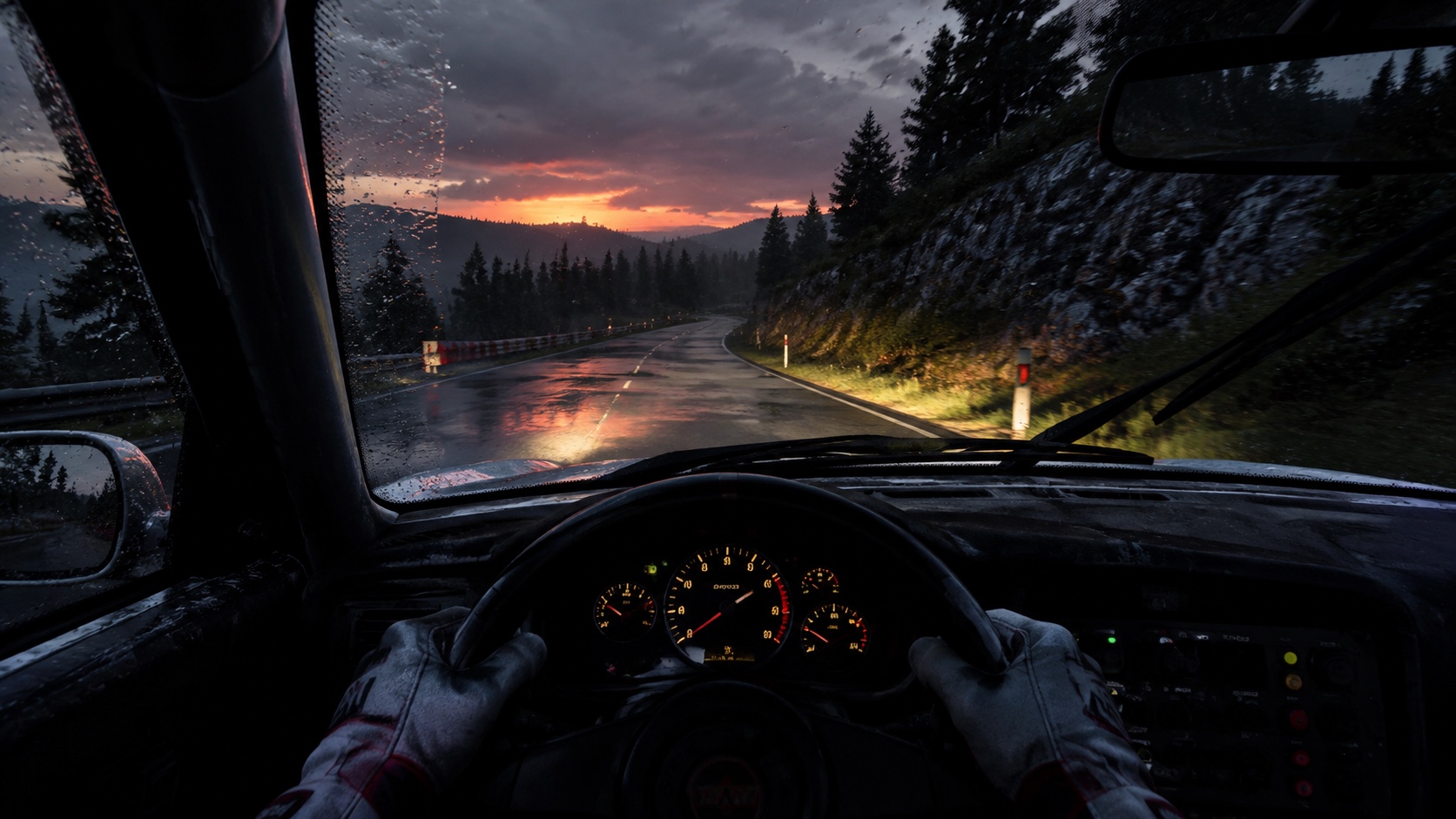
Editorial illustration: lock purchases, manage heat, prefer stable input, and stop after a clean stage set.
Final Verdict
Rush Rally 3 earns its reputation by treating mobile rallying as a craft: surface reading, setup discipline, and damage management. Career and competitive modes give structure, but the lasting skill is finishing a difficult stage with a car that still works. Start with control comfort and survival finishes, tune with intent, and sample multiplayer or live events only when stage fundamentals feel solid.
If you want gravel, snow, night stages, and a garage that matters, Rush Rally 3 remains one of the more serious rally options on Android—provided you budget time for practice and money only for content you will actually drive.


.webp?x-oss-process=image/resize,w_80/format,webp)